Ayurvedic Supportive Care for Cerebral Palsy

Cerebral palsy (CP) is a group of lifelong conditions affecting movement, posture, and muscle tone, caused by injury to the developing brain before, during, or shortly after birth. It is one of the most common causes of physical disability in childhood, and the most common form involves stiffness and tightness in the muscles. An honest starting point matters: the brain injury underlying CP is permanent, and there is no cure for it in any system of medicine, including Ayurveda. The foundation of that care is physiotherapy, occupational and speech therapy, and medical support, ideally started early. Ayurveda understands CP through Vata Vyadhi, particularly as Vata obstructed by Kapha.

Book Consultation
Search
Filter by:   
Sort by:   

What Is Cerebral Palsy?

Cerebral palsy results from injury to, or abnormal development of, the brain while it is still developing (most often before or around the time of birth). Because the affected part of the brain helps control movement and posture, CP causes difficulties with muscle tone, coordination, and movement. The nature and degree vary enormously from child to child.

The main types are spastic CP (the most common, with muscle stiffness and tightness), dyskinetic CP (with involuntary movements), ataxic CP (affecting balance and coordination), and mixed forms.

Signs and Features

CP presents differently in every child, but common features include:

  • Delayed developmental milestones (rolling, sitting, standing, walking)
  • Stiff or tight muscles (spasticity), or unusually floppy muscles
  • Poor head control in infancy
  • Difficulty with sitting, standing, or walking
  • Difficulty with fine motor skills and coordination
  • Speech and communication difficulties
  • Sometimes, accompanying challenges with learning, vision, hearing, feeding, or seizures

Because CP often comes with co-occurring conditions, including epilepsy, feeding and swallowing difficulties, orthopedic problems (such as contractures and hip problems), and communication and learning differences, comprehensive care looks at the whole child, and some of these need specific, careful medical management (see the safety section).

Causes

CP is caused by injury to or abnormal development of the developing brain, and the cause isn't always identifiable. Contributing factors are grouped by timing:

  • Before birth (prenatal) the largest group, including infections during pregnancy, problems with the baby's brain development, maternal health factors, and genetic influences.
  • Around birth (perinatal) including oxygen deprivation, birth complications, and very premature or low-birthweight birth (a significant risk factor).
  • After birth (postnatal) including infections such as meningitis, head injury, or other early illness affecting the brain.

Evidence-Based Care

The care that most helps a child with CP develop, move, and thrive is well established, and it must be the foundation:

  • Physiotherapy — central to CP care, working on movement, strength, posture, and reducing the impact of spasticity.
  • Occupational therapy — building daily-living skills and supporting independence.
  • Speech and language therapy — for communication and, where needed, feeding and swallowing.
  • Medical management — of muscle tone (including specific treatments for spasticity), seizures, and other co-occurring conditions.
  • Orthopedic care — for contractures, hips, and posture, sometimes including surgery.
  • Early intervention — the earlier support begins, the better, because the developing brain and body are most responsive early.

These are led by paediatricians, therapists, and specialist teams, and their work is what most improves a child's function and quality of life. Ayurvedic care is a gentle complement to this — never a substitute, and never a reason to delay it.

How Ayurveda Understands Cerebral Palsy

Classical Ayurveda has no direct term for CP, but its features fit closely within Vata Vyadhi — disorders of aggravated or disturbed Vata, the principle that governs all movement and nervous function. Since CP centrally affects movement, posture, and tone, this is a natural correspondence.

More specifically, Ayurveda understands spastic CP as a form of Avarana in which normal Vata function is blocked by Kapha (Kaphavrita Vata). This is an elegant fit for spasticity: Vata (movement) is present but obstructed and restricted by Kapha (heaviness and density), producing the stiffness, tightness, and impaired movement that characterise the condition. The nervous tissue (Majja Dhatu) and the channels of movement and mind are understood to be involved, with impaired nourishment of the tissues contributing to delayed development.

The Ayurvedic Supportive Approach

Abhyanga (warm oil massage) and Swedana (gentle warmth). Gentle warm-oil massage with oils such as Bala Taila or Mahanarayana Taila, followed by gentle warmth, can ease muscle stiffness, support flexibility and circulation, and soothe — a natural complement to physiotherapy for a child with spastic, tight muscles. This is often the most valued and comfortable part of care, and is kept gentle and led by the child's comfort.

Gentle Udvartana where appropriate. In some children, gentle herbal-powder massage is used to support circulation and ease heaviness always adapted to the child and kept gentle.

Basti (medicated enema therapy). In Ayurveda, Basti is the central therapy for Vata disorders, and nourishing oil-based forms (with preparations such as Bala Taila) are used to support the nervous system and nourish the tissues. In children, this is approached gently, cautiously, and only by experienced physicians, always adapted to the child's age and tolerance.

Nourishing (Brimhana) care. Nourishing preparations, including medicated ghees traditionally used to support the nervous system and development, and a nourishing diet, aim to support growth and the healthy development of the tissues. (These support nourishment and development generally; they are not a means of repairing brain injury.)

Integration with physiotherapy and rehabilitation. This is essential. Gentle Ayurvedic therapies that ease stiffness work best when they support and enable physiotherapy — head control, sitting, standing, and movement training — and appropriate, gentle yoga and guided movement. The therapies loosen and soothe; the rehabilitation builds the function.

What Supportive Care Involves

Phase What it aims to achieve
Initial period Gentle stiffness-easing therapies established, child settled and comfortable
Sustained care Regular gentle oil massage, warmth, and nourishing care supporting mobility and development
Ongoing at home A gentle home routine of massage and care, alongside continued physiotherapy
Long-term Repeated supportive periods, always coordinated with the child's therapy and medical team

What Ayurveda Can and Cannot Do

Ayurveda cannot cure cerebral palsy or repair the brain injury. The brain injury underlying CP is permanent, and no therapy, herb, oil, enema, or retreat reverses it or "cures" CP.

What Ayurveda can genuinely offer is gentle, supportive value. Easing muscle stiffness and spasticity, supporting comfort, flexibility, and mobility, aiding relaxation and sleep, and supporting a child's overall nourishment and development are realistic and worthwhile — especially as a complement to physiotherapy. For quality of life and comfort, alongside proper care, this contribution is real.

Ayurveda does not replace physiotherapy, early intervention, or medical care, and must never delay them. These are the foundation of CP care and what most improves a child's function. Gentle Ayurvedic therapy supports them; it is never a substitute, and nothing should come at their expense.

Some co-occurring conditions are serious and need medical care. Seizures (epilepsy) must be medically managed, and seizure medication must never be stopped. Feeding and swallowing difficulties carry a real risk (including of aspiration) and need specialist assessment. Orthopedic complications and any breathing difficulty need proper medical and specialist care. Ayurvedic support does not address these, and they take priority.

Is This Right for Your Child?

Gentle Ayurvedic supportive care may be worth considering if your child has cerebral palsy, is receiving physiotherapy and medical care, and you'd like to complement it — to ease muscle stiffness, support comfort and mobility, and aid relaxation and development — with realistic expectations, and with your child's comfort and consent at the centre.

Please prioritise medical and rehabilitation care, and approach a retreat with caution, if:

  • You are seeking a cure, or a promise that your child will walk or talk as a result — no such thing exists, and we won't mislead you.
  • Your child is not yet receiving physiotherapy and early-intervention support — this is the priority and should come first.
  • Your child has poorly controlled seizures, which must be medically stabilised, or you are considering stopping seizure or other medication (which we strongly discourage).
  • Your child has feeding, swallowing, or breathing difficulties needing specialist assessment.
  • Your child has orthopedic complications (worsening contractures, hip or spine problems) needing specialist care.
  • Any therapy would distress your child or override their comfort and consent.

Where to Go: Kerala.

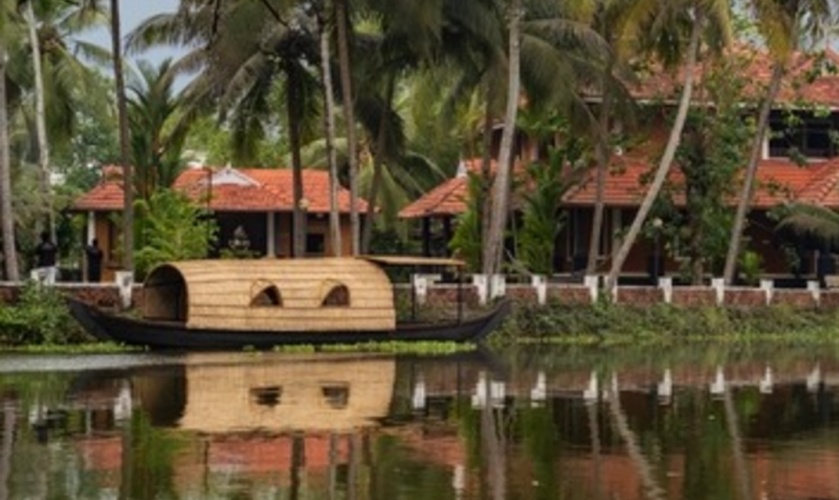
Kerala, India offers the deepest tradition of Vata and neurological supportive care, with genuine expertise in gentle therapies (Abhyanga, Swedana, nourishing Basti), experienced physicians, the judgement to keep care gentle and child-appropriate, and the ability to work alongside physiotherapy and paediatric care.

Recommended areas: Alleppey, Kovalam, Kumarakom, Wayanad, Palakkad.

How WellnessLoka Helps

Honest guidance first. For CP, we will always be honest: the brain injury cannot be cured, physiotherapy and early intervention are what most help, and Ayurvedic care is a gentle complement. We would rather tell you this clearly than promise more than is true.

A free consultation with our Ayurvedic doctor. If your child is receiving physiotherapy and medical care and you'd like to explore gentle, supportive care to ease stiffness and support comfort and development, our in-house consultant can discuss what is safe, gentle, and appropriate for your child and will be honest about the limits.

Verified, child-appropriate centres. Every centre we list has been assessed for physician credentials, genuine experience with gentle paediatric supportive care, a firm commitment never to promise cures or use intensive detox on children, sensory-aware and consent-led care, accessibility- and family-friendly facilities, and coordination with physiotherapy and medical care.

A Note for Families

Raising a child with cerebral palsy brings its own mixture of challenges, love, and fierce advocacy and along the way, you may encounter promises of cures and dramatic transformations.

Alongside that essential care, gentle Ayurvedic therapy has a genuine, modest place: easing the stiffness of tight muscles, bringing comfort, and supporting your child's development and wellbeing while also giving your family moments of rest and care. Offered gently, honestly, and always beside your child's therapy team, that support can be truly worthwhile.

Book Free Consulatation


Frequently Asked Questions

Ayurveda provides meaningful integrative supportive value for cerebral palsy through the comprehensive classical Vata Vyadhi with Majja-Mamsa Dhatu framework and Kaumarabhritya — strictly supportive alongside continued essential multidisciplinary specialist care and evidence-based interventions with substantial disability-respecting approach essential. Cerebral palsy arises from established non-progressive brain injury and is not curable — Ayurvedic care provides supportive integrative approach. Comprehensive supportive approach: comprehensive gentle specialised external therapies with Shashtika Shali Pinda Sweda for Mamsa-supportive effects; comprehensive Bala and Ashwagandha with Mamsa-supportive dimensions; comprehensive Chyavanaprasha Bala Rasayana; comprehensive family-centred care essential. Continued specialist coordination essential lifelong including anti-epileptic drugs when applicable which must never be discontinued. WellnessLoka verified centres provide expert integrative supportive care across Kerala, Sri Lanka, and Bali.
In Ayurveda, Cerebral Palsy is understood as a Vata Vyadhi, particularly Avarana Janya Vata, where aggravated Vata and obstructing Kapha affect movement, posture, and muscle coordination.
Therapies like Abhyanga, Swedana, Basti, Pizhichil, Njavarakizhi, and Shirodhara are commonly used to reduce spasticity, nourish nerves, and improve mobility.
Yes, Panchakarma therapies such as Basti and Snehana help balance Vata Dosha, improve circulation, nourish tissues, and support neurological rehabilitation.
Herbs like Ashwagandha, Bala, Brahmi, and medicated ghrita preparations are traditionally used to strengthen muscles, support nerve function, and improve cognitive health.
Ayurvedic therapies aim to reduce muscle stiffness and spasticity through medicated oil treatments, sudation therapies, and nourishing therapies that improve flexibility and circulation.
Yes, Ayurveda often integrates physiotherapy, stretching exercises, yoga, and rehabilitation practices to improve coordination, posture, mobility, and muscle control.
Ayurvedic therapies are generally considered safe for children when prescribed and supervised by qualified Ayurvedic doctors using child-appropriate treatments.
Cerebral Palsy requires long-term and consistent management. The duration depends on the child’s condition, severity, age, and response to therapies.
Ayurveda aims to improve mobility, muscle strength, flexibility, coordination, emotional wellbeing, and overall quality of life through holistic therapies and supportive care.
Yes, Bala (Sida cordifolia) is particularly valuable for cerebral palsy supportive care given substantial classical pediatric use for Vata Vyadhi and Mamsa Dhatu support with classical recognition of specific Bala-restoring effects — one of most classically renowned Vata Vyadhi and Mamsa Dhatu-supportive herbs with millennia of classical use specifically for constitutional strength restoration in pediatric contexts. Comprehensive benefits: comprehensive constitutional support, comprehensive Mamsa Dhatu-supportive effects particularly valuable for muscle tone considerations, comprehensive gentle Vata-pacifying effects, comprehensive integration with broader Vata Vyadhi approach including Ashwagandha with documented Mamsa-supportive dimensions and Chyavanaprasha Bala Rasayana. Age-appropriate dosing essential. Continued multidisciplinary specialist coordination essential. WellnessLoka verified centres provide authentic Bala preparations essential for comprehensive cerebral palsy integrative supportive care.
Kerala, India offers the most clinically authentic destination for cerebral palsy Ayurvedic supportive care with the deepest preservation of authentic classical Vata Vyadhi and Kaumarabhritya tradition globally with substantial care principles and disability-respecting approach throughout. Experienced BAMS and MD Ayurveda physicians provide specialised classical Kaumarabhritya training essential, specialised comprehensive gentle specialised external therapies capability with Shashtika Shali Pinda Sweda particularly valuable, specialised comprehensive gentle Vata-pacifying and Mamsa-Majja-supportive capability with Bala and Ashwagandha particularly valuable, specialised comprehensive Chyavanaprasha Bala Rasayana capability, comprehensive family-centred care essential, comprehensive disability-respecting approach essential, comprehensive multidisciplinary specialist coordination essential. WellnessLoka verified centres in Alleppey, Kovalam, Kumarakom, Wayanad, and Palakkad provide specialised cerebral palsy supportive care across 160+ audited properties spanning Kerala, Sri Lanka, and Bali with customers from 25+ countries.
About WellnessLoka

WellnessLoka is established with the aim of making the world a happier and a healthier place. Based in Kerala, Gods' Own Country, WellnessLoka seeks to help wellness enthusiasts find and book different wellness options in a hassle free manner.

Read more >>


Join Our Network

Let us help you to get more guests to experience the unique wellness services provided at your property.

Join Now


Contact

WellnessLoka
Koozhampala Solutions Private Limited
Integrated Startup Complex
Kerala Startup Mission
Kerala Technology Innovation Zone
Kinfra Hi-Tech Park Main Rd
HMT Colony P.O
Kochi, Kerala - 683503
GSTIN: 32AAGCK3772L1ZB
+91 8086 040101
[email protected]

     
© 2016 - 2026 WellnessLoka. All Rights Reserved