
Luxury Ayurveda Hospital

Premium Resort

Ayur Village Retreat
India/Kerala/Kochi
Starting Rate Per Night: ₹ 10,000

Ayur Village Retreat is an Ayurveda and Yoga sanctuary cradled in the tranquil embrace of the Periyar River, with a vast waterfront, lush greenery and birdsong creating a serene, pollution-free countryside ambience. Guests may...
Premium Ayurveda Hospital

Premium Resort

Madukkakuzhy Ayurveda Lake & Mountains
India/Kerala/Kumarakom
Starting Rate Per Night: ₹ 11,700
Madukkakuzhy Ayurveda Lake & Mountains is one of the specialised wellness destinations operated by Madukkakuzhy Ayurveda, a Kerala-based Ayurvedic institution with a nine-generation family tradition of practising Ayurveda....
Premium Resort
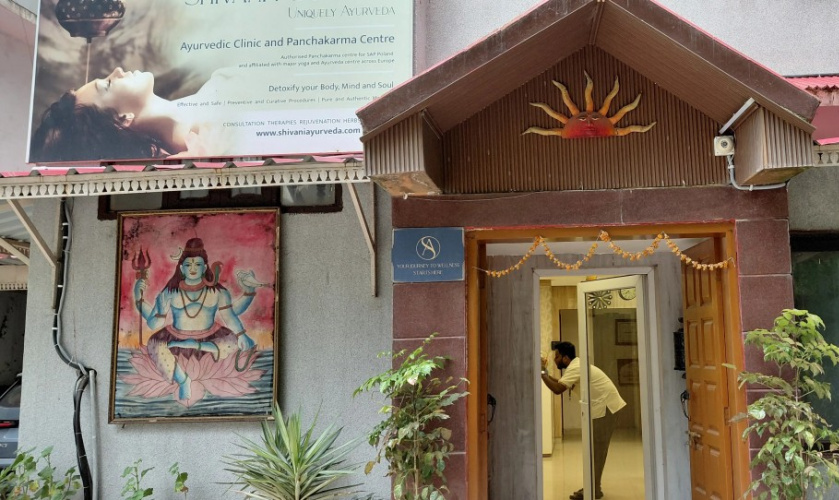
Shivani Ayurveda
India/Himachal Pradesh/Dharamshala
Starting Rate Per Night: ₹ 10,636
Nestled in the tranquil hills of McLeod Ganj, Dharamshala, Shivani Ayurveda is a premium residential Ayurvedic clinic that combines authentic Panchakarma with comfortable hospitality in the Himalayan foothills. Rather than...

No more packages to load.
No more packages to load.
When the Nose Meets the World with Discomfort: A Classical Ayurvedic Path Through Vata-Kaphaja Pratishyaya Restoration, Immune Balance, and Compassionate Constitutional Support
Frequently Asked Questions
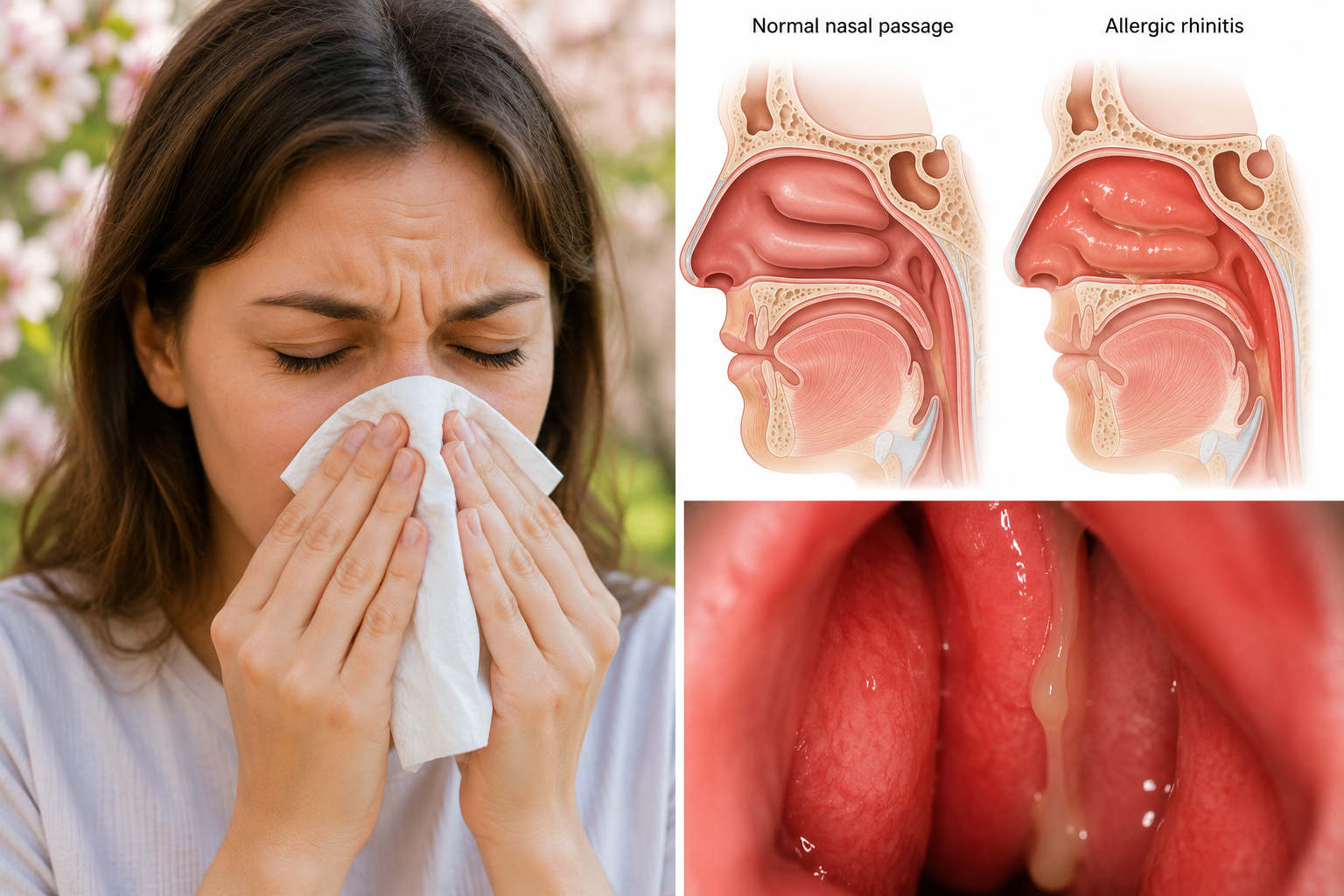
Allergic rhinitis is understood as a condition caused by imbalance of Kapha and Vata doshas, leading to hypersensitivity to allergens. It results in sneezing, congestion, and nasal irritation, and Ayurveda focuses on clearing toxins and strengthening immunity.
Symptoms include frequent sneezing, runny nose, nasal congestion, itching in the nose and throat, watery eyes, and sensitivity to dust, pollen, or seasonal changes.
Yes, Ayurveda provides meaningful integrative supportive value for allergic rhinitis through the comprehensive classical Vata-Kaphaja Pratishyaya framework with substantial classical sophistication remarkably anticipating modern understanding of chronic rhinitis subtypes by millennia. Comprehensive approach: comprehensive Nasya as cornerstone classical specialised nasal therapy with Anu Taila and Shadbindu Taila; comprehensive Kapha-Vata-pacifying including Sitopaladi Churna and Vasa particularly valuable given anti-histaminic dimensions; comprehensive Ama-pacifying and immune-modulating with Guduchi cornerstone with substantial documented immune-modulating benefits; comprehensive Chyavanaprasha-led Rasayana particularly valuable for respiratory-immune support; comprehensive allergen management absolutely essential; comprehensive stress management essential. Coordination with continued specialist care when applicable. WellnessLoka verified centres provide expert integrative care across Kerala, Sri Lanka, and Bali
Nasya involves administering medicated oils through the nose. It helps clear allergens, reduce nasal congestion, and improve respiratory function by cleansing and nourishing nasal passages.
Vamana is a detox therapy involving therapeutic emesis to eliminate excess Kapha and toxins from the body. It helps reduce mucus accumulation and improves respiratory health.
Haridra (turmeric), Trikatu, and Sitopaladi are commonly used to reduce inflammation, improve immunity, and manage allergic responses naturally.
Yes. A Kapha-reducing diet with warm, light foods is recommended. Avoid cold, dairy-heavy, and processed foods that increase mucus and worsen symptoms.
Yes. Avoiding allergens, maintaining hygiene, managing stress, and following a consistent routine help reduce symptoms and prevent recurrence.
Mild cases may improve within a few weeks, while chronic allergies may require longer treatment with consistent therapies and lifestyle changes.
Kerala, India offers the most clinically authentic destination for allergic rhinitis Ayurvedic supportive care with the deepest preservation of authentic classical Pratishyaya tradition globally with substantial care principles throughout. Experienced BAMS and MD Ayurveda physicians provide specialised comprehensive Nasya capability essential as cornerstone classical specialised nasal therapy, specialised comprehensive Kapha-Vata-pacifying capability with substantial Pranavaha Srotas support, specialised comprehensive Ama-pacifying and immune-modulating capability essential with Guduchi cornerstone, specialised comprehensive Rasayana capability including Chyavanaprasha, specialised comprehensive constitutional dietary capability, comprehensive allergen management and environmental awareness education absolutely essential, comprehensive Yoga and Pranayama integration essential, comprehensive stress management integration essential, coordination with continued specialist care when applicable. WellnessLoka verified centres in Alleppey, Kovalam, Kumarakom, Wayanad, and Palakkad provide specialised allergic rhinitis care across 160+ audited properties spanning Kerala, Sri Lanka, and Bali with customers from 25+ countries
Yes, Guduchi (Tinospora cordifolia) is the cornerstone classical Ayurvedic Ama-pacifying and immune-modulating herb particularly valuable for allergic rhinitis with substantial documented immune-modulating benefits with specific evidence on allergic rhinitis including documented benefits for symptom reduction — one of most classically renowned formulations for chronic immune conditions with millennia of classical use. Comprehensive benefits: comprehensive Ama-pacifying effects addressing substantial Ama dimensions in allergic rhinitis, comprehensive immune-modulating effects particularly relevant to IgE-mediated allergic response, comprehensive anti-inflammatory effects, comprehensive integration with broader Pratishyaya approach including Nasya as cornerstone specialised nasal therapy. Coordination with continued specialist care when applicable. WellnessLoka verified centres provide authentic Guduchi preparations essential for comprehensive allergic rhinitis integrative care.


