


Raha Bamboo Lagoon Ayurveda Village
India/Kerala/Kochi
Starting Rate Per Night: ₹ 22,192
Raha Bamboo Lagoon Ayurveda Village is a distinguished centre of authentic Ayurvedic healing, blending traditional wisdom with modern diagnostic excellence. With a team of skilled Ayurvedic doctors who strictly adhere to...

Upto 10 % OFF
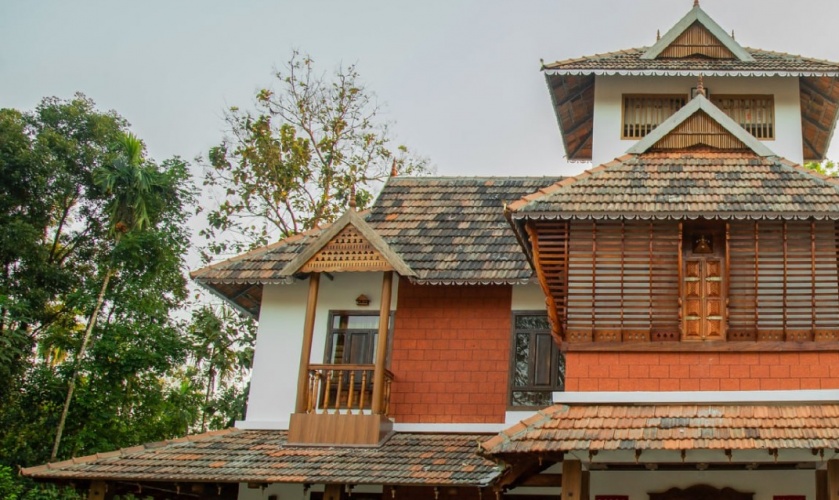
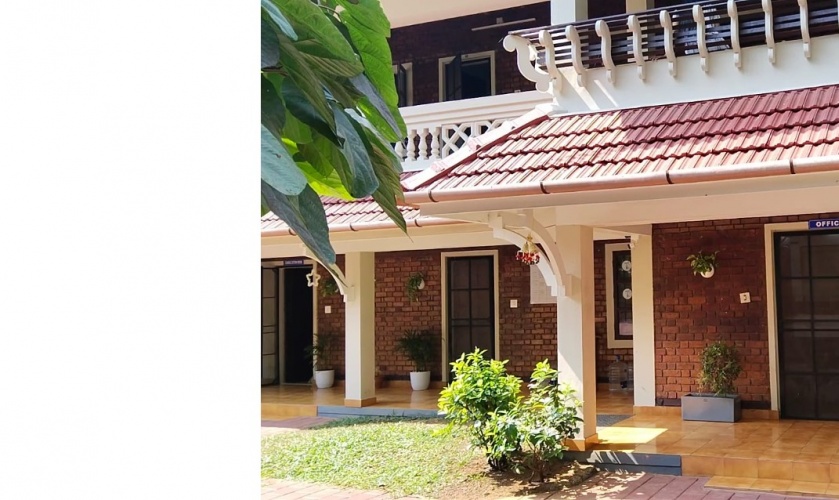

The Raviz Resort and Spa Ashtamudi
India/Kerala/Kollam
Starting Rate Per Night: ₹ 18,797
Just a short drive away from the busy city of Kollam is The Raviz Resort & Spa, Ashtamudi. The palatial resort, the meandering Ashtamudi Lake and the serene environs is a welcome break from the hustle and bustle of...

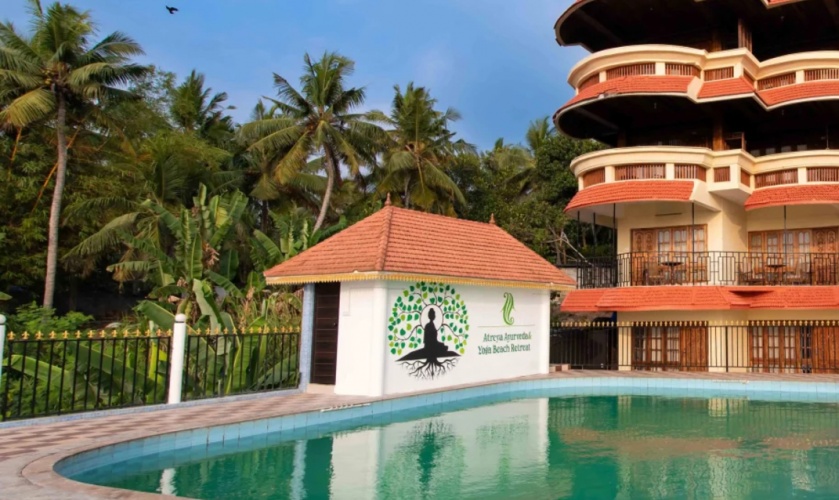
Atreya Ayurveda & Yoga Beach Retreat
India/Kerala/Kovalam
Starting Rate Per Night: ₹ 19,273
Atreya Ayurveda & Yoga Beach Retreat offers a sanctuary where the timeless wisdom of Ayurveda harmoniously blends with the serene rhythms of coastal living. Nestled along the tranquil shores of Kovalam Beach, the...

Beyond Relaxation: Why Modern Stress Requires Nervous System Recovery
Chronic stress represents one of the most prevalent and impactful wellness challenges of modern life — affecting an estimated 75-80% of adults globally with substantial impact on physical health, mental wellness, productivity, relationships, and overall quality of life. The convergence of modern lifestyle factors — demanding work environments, digital overload, social pressures, financial concerns, sleep disturbances, sedentary patterns, processed dietary predominance, social isolation, and broader factors — has produced substantial chronic stress burden across populations with documented substantial health consequences including cardiovascular disease, metabolic disorders, immune dysregulation, mental health conditions, and broader.
Common stress-related contexts include:
- Chronic occupational stress with substantial workplace dimensions
- Burnout syndrome with comprehensive emotional, physical, mental exhaustion
- Acute stress reactions to specific events
- Adjustment disorders with stress dimensions
- Generalized anxiety dimensions (also see Psychosomatic Health)
- Specific anxiety patterns
- Stress-related sleep disturbances
- Stress-related digestive disturbances
- Stress-related cardiovascular dimensions
- Stress-related immune dysregulation
- Stress-related skin dimensions
- Stress-related headaches and migraines
- Stress-related musculoskeletal tension
- Caregiver stress with substantial impact
- Life transition stress including major changes
- Relationship stress
- Financial stress dimensions
- Grief and loss stress
- Stress-related substance use patterns (with appropriate specialist coordination)
- Post-traumatic stress dimensions (with appropriate specialist coordination)
- Stress-related weight changes
- Chronic stress in chronic illness context
- Perfectionism and achievement-related stress
- Sandwich generation stress with multiple caregiving demands
- Modern parenting stress
Modern stress management has substantially advanced with comprehensive evidence-based framework including specialized mental health evaluation when applicable, cognitive behavioral therapy (CBT) with substantial outcomes evidence, mindfulness-based stress reduction (MBSR) with substantial evidence, comprehensive lifestyle interventions with substantial outcomes evidence (exercise, sleep optimization, dietary patterns, social connection), selective pharmacotherapy when indicated for specific anxiety or depression dimensions, comprehensive workplace wellness programs, and substantial recent therapeutic advances. Yet substantial wellness gaps remain for many individuals seeking comprehensive integrative approaches rooted in deeper classical wisdom.
Classical Ayurveda addresses stress through comprehensive framework — recognising that mental wellness is fundamentally integral to comprehensive health with substantial classical literature including dedicated Manas (mind) framework in Charaka Samhita and broader texts providing sophisticated framework. The classical understanding centres on the principle that stress involves Sadhaka Pitta dysfunction (mental-emotional transformation principle seated in heart), Vata aggravation with substantial nervous system effects, Ojas Kshaya (vitality depletion) in chronic stress, and substantial Manovaha Srotas (mental channel) dimensions with comprehensive integrative framework. Classical Ayurveda recognises Three Gunas framework — Satva (clarity and peace), Rajas (activity and restlessness), Tamas (inertia and ignorance) — with stress involving substantial Rajas-Tamas predominance requiring restoration of Satvic balance.
The therapeutic framework provides comprehensive approach through Shirodhara as cornerstone classical therapy with substantial documented cortisol-lowering effects; comprehensive Medhya Rasayana for substantial cognitive and mental wellness support; comprehensive meditation and Pranayama integration; classical adaptogenic Rasayana with substantial Ashwagandha-led approach; comprehensive Dinacharya restoration with substantial classical wisdom for circadian rhythm restoration; comprehensive sleep optimization absolutely essential; comprehensive Manas-supportive lifestyle integration including Sadvritta; comprehensive constitutional approach matched to individual Prakriti; and integration with continued mental health care when applicable including continued essential medications which must never be discontinued without specialist guidance.

What is Stress Management in Ayurveda?
Stress management in Ayurveda represents the comprehensive classical framework addressing chronic stress, mental wellness, and emotional balance through integrated Manas, Sadhaka Pitta, Vata, Ojas, and Sattva-Rajas-Tamas dimensions with substantial classical sophistication.
Definition and characteristics:
- Comprehensive classical stress management framework
- Centered on Manas (mind), Sadhaka Pitta, Vata, Ojas integration
- Substantial classical literature foundation
- Both preventive and rejuvenative applications
- Integration with continued mental health care when applicable
- Recognition of mental wellness as foundational to comprehensive health
- Comprehensive lifestyle integration central
Scope encompasses:
Chronic stress contexts:
- Chronic occupational stress
- Burnout syndrome comprehensive recovery
- Sustained stress recovery
- Life transition adaptation
Anxiety-related contexts:
- Generalized anxiety dimensions (also see Psychosomatic Health)
- Specific anxiety patterns
- Performance anxiety
- Social anxiety dimensions
Stress-related physical dimensions:
- Stress-related sleep disturbances
- Stress-related digestive disturbances
- Stress-related cardiovascular dimensions
- Stress-related immune dysregulation
- Stress-related headaches
- Stress-related musculoskeletal tension
- Stress-related skin dimensions
Specific life contexts:
- Caregiver stress
- Sandwich generation stress
- Modern parenting stress
- Relationship stress
- Financial stress dimensions
- Grief and loss stress
Workplace contexts:
- Demanding occupational environments
- Workplace burnout recovery
- Achievement-related stress
- Perfectionism-related stress
Specific clinical contexts (with appropriate specialist coordination):
- Stress in chronic illness context
- Stress-related substance use patterns
- Post-traumatic stress dimensions
- Stress-mental health comorbidities
Core therapeutic frameworks:
- Shirodhara as cornerstone
- Comprehensive Medhya Rasayana
- Comprehensive meditation and Pranayama integration
- Classical adaptogenic Rasayana
- Comprehensive Dinacharya restoration
- Comprehensive sleep optimization
- Comprehensive Manas-supportive lifestyle integration
- Comprehensive constitutional approach
- Integration with continued mental health care
Understanding Manas, Sadhaka Pitta, Vata, and Three Gunas: The Ayurvedic Framework
The Ayurvedic understanding of stress sits within sophisticated classical framework with substantial literature.
Key concepts:
Manas as Central Framework:
Comprehensive classical Manas (mind) framework with substantial sophistication:
- Substantial classical literature including dedicated Manas chapters
- Comprehensive framework for mental wellness
- Foundational to comprehensive health with substantial classical recognition
Three Gunas Framework:
Sophisticated classical framework for mental qualities:
- Satva — clarity, peace, balance, awareness (the goal)
- Rajas — activity, restlessness, agitation
- Tamas — inertia, ignorance, dullness, heaviness
Stress involves substantial Rajas-Tamas predominance requiring restoration of Satvic balance.
Sadhaka Pitta — The Mental-Emotional Transformation Principle:
Substantial classical recognition of Sadhaka Pitta as specific subtype of Pitta:
- Seated in heart (Hridaya)
- Governs mental-emotional transformation
- Substantial role in stress response
- Comprehensive classical framework
Substantial classical mind-heart connection recognition anticipating modern psychoneuroimmunology and cardiovascular-emotional integration.
Vata and Nervous System:
Substantial classical recognition of Vata aggravation in stress:
- Substantial nervous system effects
- Anxiety dimensions with substantial Vata
- Restlessness, racing thoughts
- Sleep disturbances with Vata predominance
- Specific therapeutic implications
Ojas — The Vitality Foundation:
Ojas central to mental wellness:
- Substantial Ojas Kshaya in chronic stress
- Comprehensive Ojas-supportive approach essential
- Substantial classical recognition of mind-immunity connection
Manovaha Srotas:
Classical mental channels framework:
- Comprehensive Srotas involvement in stress
- Specific therapeutic implications
Medhya — Cognitive Wellness:
Substantial classical Medhya (intellect/cognitive) framework:
- Dedicated Medhya Rasayana category
- Comprehensive cognitive wellness applications
- Specific Medhya herbs with substantial classical use
Specific Classical Frameworks:
Chinta (Worry/Anxiety):
Classical framework for chronic worry patterns.
Shoka (Grief):
Classical framework for grief-related stress.
Krodha (Anger):
Classical framework for anger-related stress with substantial Pitta dimensions.
Bhaya (Fear):
Classical framework for fear-related stress.
Specific Doshic Patterns in Stress:
Vata-predominant stress:
- Anxiety, restlessness, racing thoughts
- Sleep disturbances with difficulty falling asleep
- Physical tension, irregular patterns
- Substantial nervous system dimensions
- Specific Vata-pacifying approach
Pitta-predominant stress:
- Irritability, anger, frustration
- Perfectionism, high achievement pressure
- Sleep disturbances with mid-night waking
- Inflammatory dimensions
- Specific Pitta-pacifying approach
Kapha-predominant stress:
- Depression-leaning patterns
- Lethargy, withdrawal
- Sleep disturbances with excessive sleep but unrefreshing
- Specific Kapha-clearing approach
Tridoshic patterns:
- Complex chronic stress
- Long-standing burnout patterns
Modern Validation:
Substantial recent advances in psychoneuroimmunology documenting comprehensive bidirectional stress-immune-cardiovascular-broader relationship with substantial validation of classical mind-body recognition; substantial documented mechanisms including HPA axis dysregulation, autonomic nervous system effects, inflammatory mediation, broader.
Predisposing Factors Classical Ayurveda Identifies:
Aharaja (Dietary):
- Excessive Rajasic and Tamasic foods
- Inadequate Sattvic foods
- Irregular meals
- Excessive stimulants
Viharaja (Lifestyle):
- Disturbed Dinacharya with substantial classical recognition
- Sedentary lifestyle
- Irregular sleep
- Digital overload (modern recognition)
- Suppression of natural urges
- Inadequate nature exposure
Manasika (Mental):
- Excessive thinking and worry
- Emotional suppression
- Disturbed Sadvritta
- Loss of meaning and purpose
- Social isolation
Specific Conditions:
- Genetic predisposition
- Environmental factors
- Specific traumatic experiences (with appropriate specialist coordination)
- Hormonal factors
- Sleep disorders
This shapes the Ayurvedic approach to stress: Shirodhara as cornerstone classical therapy; comprehensive Medhya Rasayana; comprehensive adaptogenic Rasayana with Ashwagandha as cornerstone; comprehensive meditation and Pranayama integration; comprehensive Dinacharya restoration; comprehensive sleep optimization; constitutional approach matched to individual Prakriti; comprehensive Sattvic lifestyle integration; comprehensive Sadvritta integration; integration with continued mental health care.
The 3 Stages of Ayurvedic Treatment for Stress Management
1. Preparation and Assessment (Purva Karma) — Typically 3-7 days
Comprehensive assessment including detailed stress history (specific stress contexts, duration, severity, current symptoms, prior treatments and response, current medications including any psychiatric medications, comorbidities, sleep patterns, dietary patterns, exercise patterns, lifestyle factors, family history, and comprehensive Prakriti (constitutional) assessment through classical frameworks).
Continued mental health care coordination when applicable essential.
Comprehensive constitutional and Manas assessment:
- Prakriti with specific Manas tendencies
- Vikriti with current stress imbalance
- Comprehensive Sattva-Rajas-Tamas assessment
- Comprehensive Manas assessment
- Comprehensive Ojas assessment with substantial relevance in chronic stress
Critical screening:
- Stable mental health status without active severe psychiatric crisis
- No active suicidal ideation requiring urgent specialist care
- No active severe psychiatric symptoms requiring urgent management
- No active substance use crisis requiring specialist management
- Baseline mental health evaluation when applicable
Realistic expectations setting: comprehensive discussion of realistic expectations and sustained integration requirements.
Initial constitutional support. Initial dietary modifications. Foundational lifestyle measures including initial Dinacharya establishment, sleep optimization initiation, stress reduction practices.
2. Core Treatment (Pradhana Karma) — Typically 14-21 days
Comprehensive Shirodhara — Cornerstone Stress Management Therapy:
Specialized continuous oil pouring on forehead:
- Standard preparations: Ksheerabala Taila for Vata-Pitta predominant patterns, Mahanarayana Taila for Vata-predominant, specific cooling oils for Pitta-predominant, specific Shirodhara oils matched to constitution and needs
- Standard course: 7-14 daily sessions with substantial cumulative benefits
- Substantial documented benefits: substantial cortisol reduction, comprehensive nervous system calming, broader
Comprehensive Medhya Rasayana for Mental Wellness:
Cornerstone Medhya herbs:
- Brahmi (Bacopa monnieri) as cornerstone Medhya with substantial classical and modern evidence including documented cognitive and anxiolytic benefits
- Shankhpushpi for substantial calming and cognitive support
- Mandukaparni (Centella asiatica) for substantial Medhya support
- Jatamansi (Nardostachys jatamansi) with substantial classical sedative and calming use
- Vacha in selected applications
- Specific Medhya preparations matched to needs
Classical Medhya formulations:
- Saraswatarishtam as classical Medhya preparation with substantial use
- Brahmi Ghrita
- Manasamitra Vati
- Specific Medhya-supportive formulations
Comprehensive Adaptogenic Rasayana:
Cornerstone Ashwagandha approach:
- Ashwagandha (Withania somnifera) as cornerstone adaptogen with substantial classical and modern evidence base
- Substantial documented mechanisms: HPA axis modulation, cortisol reduction, anxiolytic effects, sleep support, broader
- Standard preparations: Ashwagandha Churna, Ashwagandhadi Lehyam, standardized extracts
- Sustained therapy for substantial benefits
Comprehensive supportive adaptogenic herbs:
- Tulsi (Holy Basil) for adaptogenic support
- Guduchi for immune-adaptogenic support
- Amalaki for antioxidant comprehensive support
Constitutional Dosha-Specific Approach:
For Vata-predominant stress:
- Comprehensive Vata-pacifying approach
- Warm grounding constitutional dietary integration
- Daily Abhyanga with substantial classical Vata-pacifying use
- Specific Vata-calming herbs
- Avoiding excessive stimulation
For Pitta-predominant stress:
- Comprehensive Pitta-pacifying approach
- Cooling soothing dietary integration
- Cooling Abhyanga with appropriate oils
- Avoiding excessive heating
- Specific Pitta-calming herbs
For Kapha-predominant stress (often depression-leaning):
- Comprehensive Kapha-clearing approach
- Activating lifestyle integration
- Specific stimulating herbs with substantial care
- Avoiding excessive heaviness
Comprehensive Meditation and Pranayama Integration:
Comprehensive meditation practice:
- Substantial evidence base for diverse stress benefits
- Mindfulness-based stress reduction (MBSR) with substantial evidence
- Specific Ayurvedic meditation approaches
- Mantra-based practices when meaningful
- Daily practice essential
Comprehensive Pranayama:
- Anulom Vilom (alternate nostril breathing) with substantial documented benefits
- Bhramari for substantial calming
- Ujjayi for sustained calming
- Specific Pranayama matched to constitution
- Daily practice essential
Yoga Nidra:
- Substantial documented deep relaxation benefits
- Comprehensive stress management applications
Comprehensive Yoga Practice:
- Therapeutic Yoga matched to needs
- Constitutional approach
- Restorative practices for chronic stress and burnout
- Specific stress-supportive asanas
Comprehensive Specialized External Therapies:
Comprehensive Abhyanga as foundational:
- Daily Abhyanga with constitution-specific oils
- Substantial classical stress-supportive benefits
Shirochampi (head massage) for substantial head-neck stress:
- Specialized head massage
- Substantial calming benefits
Padabhyanga (foot massage) for substantial calming:
- Specialized foot massage
- Substantial classical use for sleep and stress support
Specific external applications matched to needs.
Comprehensive Dinacharya Restoration — Essential:
- Brahma Muhurta waking
- Comprehensive morning practices
- Regular meal timing with largest meal at midday
- Evening wind-down practices
- Appropriate sleep timing (by 10 PM)
Comprehensive Sleep Optimization — Absolutely Essential:
- Consistent sleep schedule
- Adequate duration (7-9 hours)
- Quality sleep
- Sleep environment optimization
- Digital detox before sleep
- Specific sleep-supportive practices
Comprehensive Sattvic Lifestyle Integration:
Sattvic dietary patterns:
- Fresh, warm, freshly prepared foods
- Constitutional dietary approach
- Adequate quality protein
- Healthy fats including ghee with substantial classical use
- Abundant vegetables and fruits
- Specific calming foods
- Adequate hydration
Foods to avoid:
- Excessive caffeine
- Excessive sugar
- Processed and junk foods
- Excessive alcohol
- Late heavy meals
Comprehensive Sadvritta integration:
- Right conduct framework
- Appropriate relationships
- Mental discipline
- Sensory regulation
Comprehensive Nature Exposure:
- Substantial documented stress reduction benefits
- Specific nature-based practices
Comprehensive Social Connection:
- Substantial impact on stress wellness
- Specific community integration
Comprehensive Digital Wellness:
- Substantial recent recognition
- Specific digital detox practices
- Evening digital restriction essential
Specific Spiritual Integration (when meaningful):
- Daivavyapashraya Chikitsa when meaningful
- Specific spiritual practices
- Comprehensive mind-body-spirit integration
Coordination with Continued Care:
- Continued mental health care when applicable
- Continued essential medications when prescribed
- Continued specialist follow-up when applicable
3. Sustained Stress Wellness (Paschat Karma) — Continued home regimen
Sustained Shirodhara consideration periodically, continued Medhya Rasayana approach, continued adaptogenic Rasayana, continued meditation and Pranayama practice, continued Dinacharya integration, continued sleep optimization, continued Sattvic lifestyle integration, periodic clinical follow-up, periodic preventive retreats. Long-term framework — sustainable stress wellness requires sustained integrated approach.
The 5 Core Therapies for Stress Management Explained
1. Shirodhara — The Cornerstone Classical Stress Management Therapy Shirodhara represents the most clinically valuable Ayurvedic intervention for stress management with substantial classical use and substantial modern evidence base — considered the cornerstone classical stress management therapy. Standard procedure: continuous gentle pouring of warm medicated oil on the forehead (specifically on the area between eyebrows corresponding to the third eye/Ajna chakra) for typically 30-45 minutes providing comprehensive sustained therapeutic effects. Standard preparations: Ksheerabala Taila for Vata-Pitta predominant stress patterns with substantial classical use; Mahanarayana Taila for Vata-predominant patterns; specific cooling oils for Pitta-predominant patterns including specific cooling herbal preparations; medicated buttermilk in specific Pitta-predominant applications (Takra Dhara); specific Shirodhara oils matched to individual constitution and needs. Substantial documented benefits: substantial cortisol reduction with multiple clinical studies documenting significant stress hormone reduction; comprehensive autonomic nervous system regulation with substantial parasympathetic activation; substantial reduction in anxiety and stress markers with multiple clinical studies; substantial sleep quality improvement; comprehensive mental wellness benefits; broader integrative effects. Mechanisms: comprehensive nervous system calming through sustained gentle stimulation; profound parasympathetic activation; substantial classical Sadhaka Pitta regulation; comprehensive Manas calming; broader. Standard course: typically 7-14 daily sessions with substantial cumulative benefits — substantial benefits often noted within first few sessions with sustained benefits developing over course completion. Particularly valuable for: chronic occupational stress; burnout recovery; anxiety dimensions; stress-related sleep disturbances; stress-related cardiovascular dimensions; stress-related immune dysregulation; broader stress management applications. Critical requirements: appropriate practitioner expertise; appropriate clinical infrastructure including proper Shirodhara facilities essential; appropriate oil temperature and flow rate; comprehensive supportive environment. Combined with comprehensive Medhya Rasayana, meditation and Pranayama integration, comprehensive lifestyle integration, and continued mental health care when applicable. WellnessLoka Kerala centres provide expert Shirodhara capability essential for comprehensive stress management.
2. Comprehensive Medhya Rasayana and Classical Adaptogenic Rasayana Comprehensive Medhya Rasayana and classical adaptogenic Rasayana provide substantial value for sustained stress management and mental wellness with substantial classical use and substantial modern evidence base. Comprehensive Medhya Rasayana approach: substantial classical recognition of dedicated Medhya Rasayana category specifically for cognitive and mental wellness support with substantial classical literature. Cornerstone Medhya herbs: Brahmi (Bacopa monnieri) as cornerstone Medhya with substantial classical and modern evidence base — multiple clinical studies documenting cognitive enhancement, substantial anxiolytic effects, stress reduction, broader mental wellness benefits; Shankhpushpi for substantial calming and cognitive support with substantial classical use; Mandukaparni (Centella asiatica) for substantial Medhya support with substantial classical use; Jatamansi (Nardostachys jatamansi) with substantial classical sedative, calming, and sleep-supportive use providing comprehensive nervous system calming; Vacha in selected applications; specific Medhya preparations matched to needs. Classical Medhya formulations: Saraswatarishtam as classical Medhya preparation with substantial classical use providing comprehensive cognitive and mental wellness support; Brahmi Ghrita as classical Brahmi preparation; Manasamitra Vati for specific applications; Smriti Sagar Ras in selected applications; specific Medhya-supportive formulations matched to needs. Comprehensive adaptogenic Rasayana approach: Ashwagandha (Withania somnifera) as cornerstone adaptogen with substantial classical and modern evidence base — multiple clinical studies documenting substantial HPA axis modulation, substantial cortisol reduction with substantial chronic stress relevance, substantial anxiolytic effects comparable to anxiolytic medications in some studies, substantial sleep support, comprehensive constitutional rebuilding; standard preparations: Ashwagandha Churna in appropriate amounts daily, Ashwagandhadi Lehyam as classical preparation, standardized Ashwagandha extracts in appropriate selection; sustained therapy for substantial cumulative benefits typically over 8-12 weeks. Comprehensive supportive adaptogenic herbs: Tulsi (Holy Basil) for adaptogenic stress support with substantial classical and modern evidence; Guduchi for immune-adaptogenic support particularly valuable in chronic stress affecting immunity; Amalaki for antioxidant comprehensive support. For constitutional integration: specific selections matched to individual constitution and stress patterns. Critical coordination with continued mental health care when applicable — herbs complement rather than replace prescribed treatments; comprehensive medication interaction awareness essential for any herbal additions to psychiatric medications. Sustained therapy essential: Rasayana benefits develop over months with substantial cumulative effects. WellnessLoka centres provide authentic preparations.
3. Comprehensive Meditation, Pranayama, and Yoga Integration Comprehensive meditation, Pranayama, and Yoga integration provides substantial value for stress management with substantial classical and modern evidence. Comprehensive meditation practice: substantial evidence base for diverse stress benefits with multiple large clinical studies documenting comprehensive stress reduction, cardiovascular benefits, immune benefits, broader; mindfulness-based stress reduction (MBSR) with substantial evidence base; mindfulness-based cognitive therapy (MBCT) for stress-depression patterns; specific Ayurvedic meditation approaches including specific traditional practices; mantra-based practices when meaningful with substantial classical recognition; trataka (candle gazing) in specific applications; specific visualization practices; daily practice essential typically 15-30 minutes with substantial cumulative benefits — even brief regular practice provides substantial benefits, longer sustained practice provides progressively greater benefits. Comprehensive Pranayama practice: substantial classical literature with sophisticated framework for breath-based practices; Anulom Vilom (alternate nostril breathing) with substantial documented benefits including substantial autonomic regulation, blood pressure reduction, broader benefits — one of the most extensively studied breathing practices; Bhramari (humming bee breath) with substantial documented calming through vibrational effects and vagal stimulation; Ujjayi (victorious breath) for sustained calming; Kapalabhati in selected applications with substantial care; Sheetali and Sheetkari for cooling Pitta-predominant patterns; Nadi Shodhana comprehensive approach; specific Pranayama matched to constitution and stress patterns; daily practice essential typically 15-20 minutes. Yoga Nidra: substantial documented deep relaxation benefits with comprehensive stress management applications; substantial cortisol-lowering effects documented; particularly valuable for chronic stress, burnout recovery, sleep-related stress, broader; typical 20-45 minute practices. Comprehensive Yoga practice: substantial evidence base for stress management benefits with multiple large clinical studies; therapeutic Yoga matched to needs and capacity; constitutional Yoga approach with specific practices for Vata, Pitta, Kapha constitutions; restorative Yoga particularly valuable for chronic stress and burnout providing comprehensive parasympathetic activation; specific stress-supportive asanas including forward bends, gentle backbends, restorative postures, supported inversions when appropriate; avoiding excessive intensity in active burnout; Surya Namaskar for balanced energy; comprehensive integration with Pranayama and meditation; daily practice ideally with substantial cumulative benefits. Qualified instruction essential: substantial value of qualified teacher guidance particularly for therapeutic Yoga, advanced Pranayama, broader specialized practices. Sustained practice essential for sustained benefits — daily practice fundamental for substantial stress management benefits. WellnessLoka centres provide comprehensive qualified instruction.
4. Comprehensive Dinacharya Restoration, Sleep Optimization, and Sattvic Lifestyle Integration Comprehensive Dinacharya restoration, sleep optimization, and Sattvic lifestyle integration provide foundation for sustained stress wellness with substantial classical and modern recognition. Comprehensive Dinacharya restoration: substantial classical literature on daily routine with sophisticated framework providing essential foundation for sustained stress wellness — substantial modern circadian medicine validates classical Dinacharya wisdom with substantial stress management relevance; Brahma Muhurta waking (early before sunrise) with substantial circadian benefits including documented cortisol rhythm restoration; comprehensive morning practices including elimination, oral care (oil pulling, tongue scraping), daily Abhyanga with constitution-specific oils providing comprehensive Vata pacification and stress reduction, morning Pranayama and meditation providing essential foundation for stress wellness throughout day; appropriate exercise matched to constitution and current state — substantial stress management evidence for regular exercise; specific meal timing with largest meal at midday with substantial classical and modern circadian recognition supporting optimal digestion and stress reduction; evening wind-down practices including light evening meal, digital detox, evening meditation; appropriate sleep timing typically by 10 PM with substantial circadian recognition. Comprehensive sleep optimization — absolutely essential: substantial stress-sleep bidirectional relationship with substantial documented evidence; consistent sleep schedule with substantial circadian benefits; adequate duration typically 7-9 hours with substantial individual variation; quality sleep; sleep environment optimization including darkness, cool temperature, quiet; comprehensive pre-sleep routine essential including wind-down practices, calming Pranayama, evening meditation; digital detox before sleep absolutely essential with substantial impact recognition; specific sleep-supportive practices including warm milk with specific herbs in selected applications, Padabhyanga (foot massage) with substantial classical sleep-supportive use, specific sleep-supportive Rasayana. Comprehensive Sattvic lifestyle integration: foundational Sattvic dietary patterns providing comprehensive stress wellness support with fresh, warm, freshly prepared foods; constitutional dietary approach matched to individual Prakriti; adequate quality protein essential; healthy fats including ghee with substantial classical use; abundant fresh vegetables and fruits; specific calming foods; specific Sattvic spices including turmeric, cumin, coriander, cardamom; adequate appropriate hydration; avoiding excessive caffeine with substantial stress impact; avoiding excessive sugar; avoiding processed foods; avoiding alcohol or moderation with substantial stress and sleep impact; avoiding late heavy meals. Comprehensive Sadvritta integration: substantial classical framework for ethical conduct, appropriate relationships, mental discipline, sensory regulation, comprehensive right conduct framework providing foundation for sustained mental wellness. Comprehensive nature exposure with substantial documented stress reduction benefits — even brief regular nature exposure provides substantial benefits; specific nature-based practices. Comprehensive social connection with substantial impact on stress wellness — substantial recent recognition that social isolation substantially affects wellness. Comprehensive digital wellness: substantial recent recognition of digital overload impact on stress; specific approaches including screen time management, evening digital detox absolutely essential, mindful technology use, regular digital sabbath practices in some applications. Comprehensive purpose and meaning integration with substantial wellness impact.
5. Comprehensive Constitutional Approach and Integration with Continued Mental Health Care Comprehensive constitutional approach and integration with continued mental health care provide essential foundation for individualised stress management with appropriate clinical safety. Comprehensive constitutional approach: substantial classical recognition of individual constitutional differences with comprehensive sophisticated framework — recognition that stress manifests differently across constitutional types and individual approach essential for optimal results. For Vata-predominant stress (substantial classical recognition): characterized by anxiety, restlessness, racing thoughts, sleep difficulty with trouble falling asleep, physical tension, irregular patterns, substantial nervous system dimensions; comprehensive Vata-pacifying approach with substantial warm grounding constitutional dietary integration, daily Abhyanga with substantial classical Vata-pacifying use as fundamental practice, specific Vata-calming herbs (Ashwagandha, Brahmi, Jatamansi), warm regular routines, avoiding excessive stimulation including caffeine, avoiding cold foods, comprehensive cold exposure protection, comprehensive sleep optimization with specific Vata-calming pre-sleep practices, Shirodhara with Ksheerabala Taila particularly valuable. For Pitta-predominant stress (substantial classical recognition): characterized by irritability, anger, frustration, perfectionism, high achievement pressure, sleep difficulty with mid-night waking, inflammatory dimensions; comprehensive Pitta-pacifying approach with cooling soothing dietary integration including sweet bitter astringent tastes, cooling Abhyanga with appropriate cooling oils, avoiding excessive heating including spicy foods and excessive sun, specific Pitta-calming herbs including Brahmi, Shankhpushpi, specific cooling Pranayama including Sheetali and Sheetkari, Shirodhara with specific cooling preparations including Takra Dhara (medicated buttermilk) in specific applications particularly valuable. For Kapha-predominant stress (often depression-leaning patterns): characterized by lethargy, withdrawal, excessive but unrefreshing sleep, specific patterns; comprehensive Kapha-clearing approach with activating lifestyle integration including regular vigorous exercise, specific stimulating herbs with substantial care, avoiding excessive heaviness and sweetness in dietary patterns, specific energizing Pranayama including Kapalabhati in appropriate selection, comprehensive social engagement, comprehensive sensory stimulation in appropriate balance. For tridoshic complex chronic stress: comprehensive integrated approach matched to current dominant patterns. Comprehensive integration with continued mental health care: critical recognition that stress management complementary integrative care is appropriate for many individuals but continued mental health specialist care absolutely essential for those with active mental health conditions, continued essential medications absolutely essential when prescribed including continued antidepressants, anxiolytics, sleep medications, mood stabilizers, broader specific psychiatric medications which must never be discontinued without specialist guidance given substantial risks including potential discontinuation syndromes, condition relapse, broader; comprehensive medication interaction awareness essential for any herbal additions particularly given substantial herb-psychiatric medication interaction potential; continued therapy when applicable including cognitive behavioral therapy with substantial outcomes evidence, broader specific evidence-based therapies; continued specialist follow-up at appropriate intervals when applicable. Critical safety: immediate specialist care for severe concerns including active suicidal ideation, severe psychiatric crisis, severe substance use crisis, severe acute stress reactions requiring urgent intervention; never delaying urgent mental health care for retreat-based intervention. Honest framing essential: integrative care provides meaningful supportive value but does not replace continued essential mental health care; realistic expectations about sustained integration requirements. Centres claiming to cure psychiatric conditions through Ayurveda alone or that psychiatric medications are unnecessary should be avoided as dangerous. WellnessLoka programs require continued essential mental health care when applicable throughout.
How Long Should an Ayurvedic Stress Management Program Last?
| Duration | Therapeutic Benefit |
| 7–14 days | Initial protocols, established Shirodhara, foundational interventions |
| 14–21 days | Comprehensive Shirodhara course, established Medhya Rasayana approach |
| 21–28 days | Extended program with comprehensive constitutional support |
| Continued home regimen | Sustained Medhya-Rasayana, meditation-Pranayama, Dinacharya integration essential |
The exact duration is decided after consultation with the Ayurvedic doctor based on specific stress context, severity, current treatment, and individual factors. Substantial benefits typically develop over 2-6 months of sustained integrated approach. Critical recognition that sustainable stress wellness requires sustained integration — retreat-based programs provide foundation but sustained results fundamentally require comprehensive lifestyle integration including continued meditation, Pranayama, Dinacharya, sleep optimization, and broader integration; periodic retreats valuable for sustained reinforcement.
Book Consultation
Benefits of an Ayurvedic Treatment Retreat for Stress Management
| Physical Benefits | Functional Benefits | Long-Term Impact | |||
| Substantial cortisol reduction | Better daily functional capacity | Sustained stress wellness | |||
| Better autonomic regulation | Better energy and stamina | Foundation for mental wellness | |||
| Better sleep quality |
|
|
|||
| Better overall vitality | Better quality of life | Comprehensive integrative lifestyle framework |
Why Kerala is the Best Place for Stress Management Treatment
An Ayurvedic stress management retreat in Kerala, India offers the most clinically authentic environment for comprehensive classical stress management Ayurveda alongside continued mental health care when applicable.
- Experienced physicians with specific expertise in classical Manas-Sadhaka Pitta-Vata-Ojas Ayurveda
- BAMS and MD Ayurveda-certified doctors with specialised training in classical stress management Ayurveda
- Specialised practitioner training in Shirodhara as cornerstone classical stress management therapy
- Specialised practitioner training in comprehensive Medhya Rasayana
- Specialised practitioner training in classical adaptogenic Rasayana
- Specialised practitioner training in comprehensive constitutional approach
- Specialised practitioner training in comprehensive Dinacharya restoration
- Specialised practitioner training in comprehensive Manas integration including Sadvritta and Achara Rasayana
- Authentic in-house preparation of cornerstone Shirodhara oils — Ksheerabala Taila for Vata-Pitta predominant patterns, Mahanarayana Taila for Vata-predominant, specific cooling oils for Pitta-predominant, Takra preparation for specific applications
- Authentic in-house preparation of cornerstone Medhya Rasayana — Saraswatarishtam, Brahmi Ghrita, Manasamitra Vati, specific Medhya preparations
- Authentic preparation of foundational Medhya herbs — Brahmi, Shankhpushpi, Mandukaparni, Jatamansi preparations
- Authentic in-house preparation of cornerstone adaptogenic Rasayana — Ashwagandha Churna, Ashwagandhadi Lehyam, Tulsi preparations, Guduchi preparations using authentic methods
- Authentic preparation of constitutional medicated oils for daily Abhyanga
- Authentic preparation of comprehensive classical Manas pharmacopeia
- Proper Shirodhara facilities with appropriate clinical infrastructure absolutely essential
- Capacity for comprehensive constitutional dietary preparation matched to individual Prakriti including Sattvic patterns
- Capacity for qualified meditation, Pranayama, and Yoga instruction with experienced teachers specifically trained in classical stress management applications
- Calm Sattvic environment absolutely essential for stress management — Kerala settings offer this
- Substantial natural environment with comprehensive nature exposure benefits — substantial documented stress reduction value
- Capacity for comprehensive Dinacharya integration with appropriate facilities and structure
- Long-established Kerala tradition representing the deepest preservation of authentic classical stress management Ayurveda
- Capacity for sustained long-term care relationships across the lifespan
- Integration with continued mental health care when applicable
- Capacity for emergency mental health escalation with clear protocols when needed
- Discretion and sensitivity throughout treatment — particularly important for stress and mental wellness contexts
- Capacity for comprehensive spiritual integration when meaningful
Sri Lanka offers complementary tropical healing environment particularly valuable for sustained immersive stress recovery, while Bali provides wellness-oriented treatment retreats integrating Ayurvedic care with holistic wellness particularly valuable for broader stress wellness integration. For specialised classical stress management Ayurveda with comprehensive Shirodhara capability, authentic Ksheerabala Taila preparation, comprehensive Medhya Rasayana capability, and comprehensive constitutional capability, Kerala offers the deepest tradition globally.
Stress Management Treatment Retreats by Location and Recommended Centres
Kerala, India — The most clinically authentic destination globally for classical stress management Ayurveda with the deepest preservation of authentic classical tradition including specialised Shirodhara capability as cornerstone stress management therapy, specialised comprehensive Medhya Rasayana capability, specialised classical adaptogenic Rasayana capability, specialised comprehensive constitutional approach, specialised comprehensive Dinacharya restoration capability, authentic in-house preparation of cornerstone Shirodhara oils (Ksheerabala Taila, Mahanarayana Taila, specific cooling oils), authentic preparation of cornerstone Medhya Rasayana (Saraswatarishtam, Brahmi Ghrita, Manasamitra Vati), authentic preparation of cornerstone adaptogenic Rasayana (Ashwagandha preparations, Tulsi, Guduchi), proper Shirodhara facilities essential, calm Sattvic environment essential, substantial natural environment with substantial documented stress reduction value, qualified meditation and Yoga instruction, capacity for sustained long-term care relationships, integration with continued mental health care, and the deepest preservation of authentic classical stress management Ayurveda globally. Alleppey • Kovalam • Kumarakom • Wayanad • Palakkad
Sri Lanka — Coastal Ayurveda stress management retreats with comprehensive classical stress management Ayurveda in serene tropical environment particularly valuable for sustained immersive recovery. Wadduwa • Weligama • Sigiriya • Kosgoda • Bentota
Bali, Indonesia — Wellness retreats integrating Ayurvedic stress care with holistic wellness, particularly valuable for broader stress wellness integration and comprehensive holistic experiences. Ubud • Nusa Dua • Candidasa • Lovina
WellnessLoka connects you with verified centres offering genuine classical stress management Ayurvedic expertise, comprehensive Shirodhara capability essential, comprehensive Medhya Rasayana capability, authentic classical formulation preparation, calm Sattvic environment essential, qualified meditation and Yoga instruction, capacity for sustained long-term care relationships, integration with continued mental health care when applicable, and clear understanding of comprehensive integrative framework.
Who Should Consider an Ayurvedic Stress Management Treatment Retreat
Individuals with chronic occupational stress seeking comprehensive recovery — Comprehensive integrative approach.
Individuals with burnout syndrome seeking comprehensive recovery — Comprehensive constitutional rebuilding.
Individuals with sustained stress patterns — Comprehensive integrative approach.
Individuals with generalized anxiety dimensions (also see Psychosomatic Health) — Comprehensive integrative approach alongside continued specialist care when applicable.
Individuals with stress-related sleep disturbances — Comprehensive sleep optimization approach.
Individuals with stress-related digestive disturbances — Comprehensive integrative approach (also see Digestive Health).
Individuals with stress-related cardiovascular dimensions — Comprehensive integrative approach (also see Circulatory Health).
Individuals with stress-related immune dysregulation — Comprehensive immune-supportive approach.
Individuals with stress-related headaches — Comprehensive integrative approach.
Individuals with stress-related musculoskeletal tension — Comprehensive integrative approach.
Individuals with stress-related skin dimensions — Comprehensive integrative approach (also see Skin Health).
Caregivers seeking comprehensive recovery — Compassionate comprehensive approach.
Individuals with life transition stress — Comprehensive adaptation approach.
Individuals with substantial relationship stress — Comprehensive integrative approach.
Individuals with grief-related stress — Compassionate comprehensive approach.
Individuals with perfectionism and achievement-related stress — Comprehensive constitutional approach.
Sandwich generation individuals with multiple caregiving demands — Comprehensive recovery approach.
Modern parents with substantial stress — Comprehensive integrative approach.
Individuals with stress dimensions in chronic illness context — Comprehensive integrative approach.
Individuals seeking constitutional stress wellness foundation — Comprehensive preventive approach.
Individuals seeking comprehensive lifestyle transformation for stress wellness — Holistic approach.
Individuals seeking long-term integrative stress wellness philosophy — Sustainable lifelong approach.
Individuals with comorbid stress and broader wellness goals — Comprehensive integrative approach.
Who Should Approach Treatment with Caution
Ayurvedic care for stress management is broadly accessible and genuinely valuable but appropriate considerations are essential. Stress management retreat-based care should be deferred or replaced by urgent specialist care in cases involving:
Active suicidal ideation or behavior — Requires urgent mental health specialist care; never appropriate to delay urgent care for retreat-based intervention.
Active severe psychiatric crisis — Requires urgent specialist management.
Active substance use crisis — Requires specialist substance use management.
Severe acute stress reactions requiring urgent intervention — Require appropriate specialist care.
Active severe mood disorders — Require continued specialist care with appropriate medication management.
Active severe anxiety disorders without specialist coordination — Appropriate specialist coordination essential.
Active psychotic symptoms — Require urgent psychiatric care.
Active severe PTSD without specialist coordination — Appropriate specialist coordination essential.
Individuals planning to discontinue essential psychiatric medications — Strongly discouraged without specialist guidance given substantial discontinuation risks including potential discontinuation syndromes, condition relapse, broader.
Individuals planning to discontinue therapy inappropriately — Strongly discouraged.
Individuals with substantial unrealistic expectations — Honest counseling essential about realistic expectations and sustained integration requirements.
Individuals seeking dramatic transformation in single retreat — Honest framing essential about sustained integration requirements.
Individuals with substantial trauma history requiring specialist trauma-informed care — Appropriate trauma-informed specialist coordination essential.
Pregnancy with substantial mental health considerations — Requires specialised perinatal mental health coordination.
Individuals without baseline mental health support for substantial concerns — Appropriate specialist coordination should be established.
Choosing the Right Treatment Retreat for Stress Management
Qualified physicians with stress management Ayurveda expertise — BAMS or MD Ayurveda-credentialed doctors with specialised training.
Specialised practitioner training in Shirodhara — Essential cornerstone therapy.
Specialised practitioner training in comprehensive Medhya Rasayana — Essential.
Specialised practitioner training in classical adaptogenic Rasayana — Essential.
Specialised practitioner training in comprehensive constitutional approach — Essential.
Specialised practitioner training in comprehensive Dinacharya restoration — Essential.
Specialised practitioner training in comprehensive Manas integration — Essential including Sadvritta.
Authentic in-house preparation of cornerstone Shirodhara oils — Including Ksheerabala Taila.
Authentic preparation of cornerstone Medhya Rasayana — Including Saraswatarishtam, Brahmi Ghrita.
Authentic preparation of cornerstone adaptogenic Rasayana — Including Ashwagandha preparations.
Proper Shirodhara facilities — Essential infrastructure.
Capacity for comprehensive constitutional dietary preparation — Including Sattvic patterns.
Capacity for qualified meditation, Pranayama, and Yoga instruction — Essential.
Calm Sattvic environment — Absolutely essential for stress management.
Substantial natural environment — Valuable for nature exposure benefits.
Capacity for sustained long-term care relationships — For sustained stress wellness.
Integration with continued mental health care — Essential when applicable.
Capacity for emergency mental health escalation — Critical for safety.
Honest framing — Centres clearly understanding realistic framework with sustained integration requirements.
Clear continuity planning — Detailed home regimens for sustained integration.
How WellnessLoka Helps You Choose the Right Ayurveda Treatment Retreat for Stress Management
Choosing the right treatment retreat for stress management benefits enormously from genuine guidance with substantial sensitivity to stress and mental wellness context. Stress management spans substantial spectrum with substantial individual variation in stress context, constitutional profile, comorbidities, treatment context, and goals — and given the substantial impact of chronic stress on comprehensive wellness, appropriate sustained framework is paramount. The right program depends on accurate constitutional and stress assessment, appropriate intervention selection particularly Shirodhara as cornerstone classical stress management therapy with substantial documented cortisol-lowering effects, comprehensive Medhya Rasayana with substantial classical and modern evidence including Brahmi and broader cornerstone Medhya herbs, comprehensive adaptogenic Rasayana with Ashwagandha as cornerstone with substantial classical and modern evidence including documented HPA axis modulation and cortisol reduction, comprehensive meditation and Pranayama integration with substantial evidence, comprehensive Dinacharya restoration with substantial circadian medicine validation, comprehensive sleep optimization absolutely essential, comprehensive Sattvic lifestyle integration, integration with continued mental health care when applicable including continued essential medications which must never be discontinued without specialist guidance, and sustained lifestyle integration commitment which is fundamental for sustainable stress wellness. WellnessLoka exists to ensure that stress management seekers can make this decision with full information, genuine guidance, realistic expectations, and complete clinical safety awareness.
Access to Verified Retreat Centres Every centre listed on WellnessLoka for stress management has been independently assessed for physician credentials, specific expertise in classical Manas-Sadhaka Pitta-Vata-Ojas stress management Ayurveda across the broad stress spectrum including chronic occupational stress, burnout syndrome with substantial classical recognition requiring comprehensive constitutional rebuilding, sustained stress recovery, generalized anxiety dimensions, stress-related sleep disturbances, stress-related digestive disturbances, stress-related cardiovascular dimensions, stress-related immune dysregulation, stress-related headaches, stress-related musculoskeletal tension, stress-related skin dimensions, caregiver stress, life transition stress, relationship stress, grief-related stress, perfectionism and achievement-related stress, sandwich generation stress, modern parenting stress, stress in chronic illness context, broader stress management applications, depth of expertise in Shirodhara as cornerstone classical stress management therapy with substantial classical use and substantial modern evidence base — continuous gentle pouring of warm medicated oil on forehead for typically 30-45 minutes providing comprehensive sustained therapeutic effects with substantial documented benefits including substantial cortisol reduction with multiple clinical studies, comprehensive autonomic nervous system regulation with substantial parasympathetic activation, substantial reduction in anxiety and stress markers, substantial sleep quality improvement, comprehensive mental wellness benefits — using Ksheerabala Taila for Vata-Pitta predominant patterns with substantial classical use, Mahanarayana Taila for Vata-predominant patterns, specific cooling oils for Pitta-predominant patterns, Takra Dhara (medicated buttermilk) in specific Pitta-predominant applications, specific Shirodhara oils matched to individual constitution and needs — typically 7-14 daily sessions with substantial cumulative benefits, specialised comprehensive Medhya Rasayana capability with substantial classical recognition of dedicated Medhya Rasayana category specifically for cognitive and mental wellness support including cornerstone Medhya herbs (Brahmi as cornerstone with substantial classical and modern evidence including documented cognitive enhancement and substantial anxiolytic effects, Shankhpushpi for substantial calming and cognitive support, Mandukaparni for Medhya support, Jatamansi with substantial classical sedative and calming use, Vacha in selected applications) and classical Medhya formulations (Saraswatarishtam as classical Medhya preparation, Brahmi Ghrita, Manasamitra Vati, Smriti Sagar Ras in selected applications), specialised classical adaptogenic Rasayana capability with Ashwagandha (Withania somnifera) as cornerstone adaptogen with substantial classical and modern evidence base — multiple clinical studies documenting substantial HPA axis modulation, substantial cortisol reduction with substantial chronic stress relevance, substantial anxiolytic effects comparable to anxiolytic medications in some studies, substantial sleep support, comprehensive constitutional rebuilding — through Ashwagandha Churna, Ashwagandhadi Lehyam as classical preparation, standardized Ashwagandha extracts in appropriate selection, comprehensive supportive adaptogenic herbs including Tulsi for adaptogenic stress support, Guduchi for immune-adaptogenic support, Amalaki for antioxidant support, specialised comprehensive constitutional approach matched to individual Prakriti — for Vata-predominant stress comprehensive Vata-pacifying approach with daily Abhyanga as fundamental practice, specific Vata-calming herbs, warm regular routines, Shirodhara with Ksheerabala Taila particularly valuable; for Pitta-predominant stress comprehensive Pitta-pacifying approach with cooling soothing dietary integration, cooling Abhyanga, specific cooling Pranayama including Sheetali and Sheetkari, Shirodhara with cooling preparations including Takra Dhara particularly valuable; for Kapha-predominant stress comprehensive Kapha-clearing approach with activating lifestyle integration, specialised comprehensive Dinacharya restoration capability with substantial classical literature on daily routine providing essential foundation for sustained stress wellness including Brahma Muhurta waking with substantial circadian benefits, comprehensive morning practices, daily Abhyanga with constitution-specific oils, morning Pranayama and meditation, specific meal timing with largest meal at midday with substantial classical and modern circadian recognition, evening wind-down practices, appropriate sleep timing typically by 10 PM with substantial circadian recognition, specialised comprehensive Manas integration including Sadvritta with substantial classical framework for ethical conduct, appropriate relationships, mental discipline, sensory regulation, and Achara Rasayana recognising lifestyle practices themselves serve as Rasayana, authentic in-house preparation of cornerstone Shirodhara oils including Ksheerabala Taila, Mahanarayana Taila, specific cooling oils, Takra preparation using authentic methods and fresh herbs, authentic in-house preparation of cornerstone Medhya Rasayana including Saraswatarishtam, Brahmi Ghrita, Manasamitra Vati, specific Medhya preparations, authentic preparation of foundational Medhya herbs including Brahmi, Shankhpushpi, Mandukaparni, Jatamansi preparations, authentic in-house preparation of cornerstone adaptogenic Rasayana including Ashwagandha Churna, Ashwagandhadi Lehyam, Tulsi preparations, Guduchi preparations using authentic methods, authentic preparation of constitutional medicated oils for daily Abhyanga, authentic preparation of comprehensive classical Manas pharmacopeia, proper Shirodhara facilities with appropriate clinical infrastructure absolutely essential, capacity for comprehensive constitutional dietary preparation matched to individual Prakriti with substantial classical Sattvic sophistication including fresh warm freshly prepared foods, abundant vegetables and fruits, specific calming foods, specific Sattvic spices, avoiding excessive caffeine, sugar, processed foods, alcohol, late heavy meals, capacity for qualified meditation, Pranayama, and Yoga instruction with experienced teachers specifically trained in classical stress management applications including mindfulness-based stress reduction with substantial evidence, comprehensive Pranayama including Anulom Vilom and Bhramari with substantial documented benefits, Yoga Nidra with substantial documented deep relaxation benefits, comprehensive therapeutic Yoga matched to constitution, calm Sattvic environment absolutely essential for stress management — substantial recognition that environment substantially affects stress management outcomes, substantial natural environment with comprehensive nature exposure benefits and substantial documented stress reduction value, capacity for comprehensive Dinacharya integration with appropriate facilities and structure, capacity for sustained long-term care relationships across the lifespan, integration with continued mental health care when applicable including continued essential psychiatric medications (antidepressants, anxiolytics, sleep medications, mood stabilizers when prescribed) which must never be discontinued without specialist guidance given substantial discontinuation risks, continued therapy when applicable including cognitive behavioral therapy with substantial outcomes evidence and mindfulness-based approaches, continued specialist follow-up at appropriate intervals when applicable, comprehensive medication interaction awareness essential for any herbal additions particularly given substantial herb-psychiatric medication interaction potential, capacity for emergency mental health escalation with clear protocols when needed essential for safety, discretion and sensitivity throughout treatment particularly important for stress and mental wellness contexts, capacity for comprehensive spiritual integration when meaningful to individual respecting individual orientation, and clear understanding of realistic comprehensive framework with sustained integration requirements recognising that sustainable stress wellness requires sustained lifestyle integration rather than time-limited intervention. We list only centres where authentic classical stress management Ayurveda is genuinely practised with classical depth and appropriate sensitivity to mental wellness context.
Free Pre-Retreat Consultation with Our Ayurvedic Doctor Before you choose a retreat, WellnessLoka offers a complimentary consultation with our in-house Ayurvedic consultant approached with substantial sensitivity to stress and mental wellness context. This consultation reviews your specific stress context (specific stress contexts, duration, severity, current symptoms, prior treatments and response, current medications including any psychiatric medications, comorbidities, sleep patterns, dietary patterns, exercise patterns, lifestyle factors, family history) and comprehensive Prakriti and Manas assessment through classical frameworks. A critical part of this consultation is honest screening for any features warranting urgent mental health care including active suicidal ideation, severe psychiatric crisis, severe substance use crisis, severe acute stress reactions, or other concerning features that require urgent specialist intervention rather than retreat-based care; absolute confirmation of continued essential psychiatric medications and continued specialist care when applicable essential throughout integrative care. Realistic expectations setting: comprehensive discussion of realistic expectations and sustained integration requirements. Based on the assessment, we match you with the retreat centre and program duration best suited for your specific stress context with substantial sensitivity. It is purely a guidance consultation.
Transparent Centre Comparison WellnessLoka provides clear, honest information about each listed centre — physician qualifications, Shirodhara capability essential, comprehensive Medhya Rasayana capability, classical adaptogenic Rasayana capability, comprehensive constitutional approach, classical formulation preparation, meditation and Yoga instruction quality, environment quality including Sattvic atmosphere, accommodation features, program structure, and pricing — allowing comparison across Kerala, Sri Lanka, and Bali with full clarity.
Best Price Guarantee Through our strong, long-standing relationships with partner centres, you benefit from exclusive partner pricing that is always lower than booking directly. You receive the most authentic care without paying more for it.
Retreats for Every Budget From luxury wellness resorts to affordable, authentic healing centres, WellnessLoka helps you find a stress management retreat that aligns perfectly with your comfort level and budget — without ever compromising on the authentic classical expertise this comprehensive care fundamentally benefits from.
Treatment is in Expert Hands Once you arrive at your chosen retreat, your stress management program is fully designed and managed by the qualified Ayurvedic physicians at that centre with deep training in classical Manas-Sadhaka Pitta-Vata-Ojas stress management Ayurveda and direct, hands-on familiarity with Shirodhara, comprehensive Medhya Rasayana, classical adaptogenic Rasayana, comprehensive constitutional approach, comprehensive Dinacharya restoration, comprehensive Manas integration, and broader classical stress management therapies your program involves. Treatment unfolds under continuous qualified supervision with substantial sensitivity to stress and mental wellness dimensions and unwavering coordination with your continued mental health care when applicable including continued essential medications.
Local Support Team Our on-ground experts assist you at every step from first enquiry through retreat completion — with substantial sensitivity to stress and mental wellness needs.
End-to-End Booking Support Full administrative and logistical support — ensuring smooth process so you focus entirely on preparing for your transformative healing program.
Why Travellers Trust WellnessLoka WellnessLoka is rated 4.9? on Google, with verified reviews from wellness travellers from 28+ countries, backed by over a decade of expertise. Our dedicated support team is available 24×7 with appropriate sensitivity to stress management care complexity.
Begin Your Healing Journey
Chronic stress represents one of the most prevalent and impactful wellness challenges of modern life with substantial impact on physical health, mental wellness, productivity, relationships, and overall quality of life. Modern stress management has substantially advanced with comprehensive evidence-based framework including cognitive behavioral therapy with substantial outcomes evidence, mindfulness-based stress reduction with substantial evidence, comprehensive lifestyle interventions, selective pharmacotherapy when indicated, and broader specialist mental health care. Yet substantial wellness gaps remain for many individuals seeking comprehensive integrative approaches rooted in deeper classical wisdom.
Classical Ayurvedic care offers genuinely meaningful integrative contributions through comprehensive framework centred on Manas, Sadhaka Pitta, Vata, Ojas, and Sattva-Rajas-Tamas dimensions with substantial classical literature. The therapeutic framework centres on Shirodhara as cornerstone classical stress management therapy with substantial documented cortisol-lowering effects; comprehensive Medhya Rasayana and classical adaptogenic Rasayana with substantial classical and modern evidence; comprehensive meditation, Pranayama, and Yoga integration; comprehensive Dinacharya restoration, sleep optimization, and Sattvic lifestyle integration; comprehensive constitutional approach and integration with continued mental health care.
Ayurvedic stress management care complements rather than replaces evidence-based mental health care when applicable. Continued essential psychiatric medications absolutely essential throughout integrative care when prescribed — antidepressants, anxiolytics, sleep medications, mood stabilizers, broader specific medications must never be discontinued without specialist guidance given substantial discontinuation risks including potential discontinuation syndromes, condition relapse, broader. Continued mental health therapy when applicable with substantial outcomes evidence. Continued specialist follow-up when applicable. Acute severe mental health concerns require urgent specialist care, never retreat-based intervention. Sustained lifelong integration essential — sustainable stress wellness is fundamentally lifelong cultivation rather than time-limited intervention. Integrative Ayurvedic care provides meaningful comprehensive value alongside evidence-based mental health care with particular strength in Shirodhara, Medhya-adaptogenic Rasayana, constitutional approach, comprehensive Dinacharya restoration, and sustained Sattvic lifestyle integration.
Whether you choose a treatment retreat in Kerala, Sri Lanka, or Bali — with Kerala offering unmatched depth in classical stress management Ayurveda — Ayurvedic care for stress management offers a thoughtful, deeply integrative path to comprehensive stress recovery, substantial cortisol reduction, sustained mental wellness, sustained vitality, and substantial quality of life enhancement across the lifespan alongside continued evidence-based mental health care when applicable.


