Rheumatoid Arthritis- Ayurvedic Care

Rheumatoid arthritis is an autoimmune disease in which the immune system attacks the joints, causing persistent pain, swelling, stiffness, and, over time, joint damage. Unlike ordinary wear-and-tear arthritis, it is an inflammatory disease that can also affect the lungs, heart, eyes, and blood vessels. Modern rheumatology is the essential foundation of care, controlling the immune activity and protecting the joints from lasting damage. Ayurveda understands the condition as Amavata a disorder in which Ama (poorly digested metabolic toxins) combines with aggravated Vata and settles in the joints and offers supportive care aimed at digesting and clearing that Ama, restoring digestion, balancing Vata, and improving long-term joint function, always alongside continued medical treatment.

Book Consultation
Search
Filter by:   
Sort by:   

What Is Rheumatoid Arthritis?

Rheumatoid arthritis (RA) is a chronic autoimmune disease in which the immune system mistakenly attacks the lining of the joints. It most commonly affects the wrists, fingers, feet, and knees typically on both sides of the body producing ongoing inflammation that can eventually damage cartilage and bone.

This is what sets it apart from osteoarthritis. Osteoarthritis develops from the gradual wear of the joints over time; rheumatoid arthritis is driven by immune dysfunction and systemic inflammation. Because it is systemic, untreated RA can move beyond the joints to affect other organs, and can lead to permanent joint deformity.

Signs and Symptoms

  • Pain, swelling, and tenderness in multiple joints

  • Morning stiffness lasting longer than an hour

  • Warm, inflamed joints, usually affecting both sides of the body

  • Fatigue and persistent low energy

  • Reduced grip strength and difficulty with everyday tasks

  • Progressive loss of joint movement

  • Low-grade fever during active disease

  • Firm lumps under the skin (rheumatoid nodules) in some people

  • Involvement of the eyes, lungs, heart, or blood vessels in more advanced disease

Causes and Diagnosis

The exact cause of rheumatoid arthritis is unknown. Modern medicine understands it as an autoimmune disease shaped by a combination of genetics, environmental triggers, hormonal factors, and immune dysfunction.

Ayurveda groups the factors contributing to Amavata into four broad categories:

  • Dietary (Aharaja) — heavy, hard-to-digest foods, incompatible food combinations (Viruddha Ahara), irregular meals, excessive processed food
  • Lifestyle (Viharaja) — sedentary habits, irregular routines, inadequate sleep, sudden excessive exertion
  • Psychological (Manasika) — chronic stress, anxiety, emotional strain
  • Constitutional and hereditary — individual susceptibility, a weakened digestive fire (Agni), and a tendency toward Vata-Kapha imbalance

Diagnosis is made by a rheumatologist using symptoms, physical examination, blood tests such as Rheumatoid Factor and Anti-CCP antibodies, inflammatory markers, and imaging. Ayurvedic assessment complements this by evaluating the presence of Ama, the degree of Vata aggravation, digestive strength, constitutional type, and disease stage. A confirmed rheumatology diagnosis is the essential starting point for everything that follows.

The Conventional Medical Approach

Modern treatment aims to control inflammation early and prevent permanent joint damage — and it has transformed outcomes for people with RA. It usually includes Disease-Modifying Anti-Rheumatic Drugs (DMARDs), biologic medicines, JAK inhibitors, corticosteroids for flares, physiotherapy, and regular monitoring by a rheumatologist.

There is currently no cure for rheumatoid arthritis, but modern treatment has dramatically improved the outlook, with many people achieving long-term remission through early and consistent care. This medical foundation is what protects the joints and organs over the long term, and Ayurvedic care is designed to support it, not replace any part of it.

How Ayurveda Understands Rheumatoid Arthritis

Ayurveda describes rheumatoid arthritis as Amavata, and the name captures the whole mechanism. Ama is the incompletely digested metabolic waste that forms when digestion becomes weak. Vata is the principle governing all movement in the body, including the movement of nutrients and nerve impulses.

When Ama accumulates and combines with aggravated Vata, it circulates through the body's channels (Srotas) before settling in the joints. There it produces the pain, swelling, stiffness, heaviness, and restricted movement of the condition and, over time, tissue damage.

There is one crucial way Amavata differs from other Vata disorders, and it shapes the entire treatment: it begins by eliminating Ama first. The classical texts specifically caution that heavy oil therapies given too early can worsen active Ama. So treatment progresses carefully first improving digestion and reducing inflammation, and only then introducing the deeper Vata-pacifying therapies. This sequencing is a hallmark of skilled Amavata care, and getting it right is one of the clearest signs of an experienced physician.

The Ayurvedic Treatment Approach

Treatment pursues several goals in sequence: digesting Ama, reducing inflammation, balancing Vata, restoring digestion, and preserving joint mobility.

Digestive therapies first (Deepana and Pachana). Herbal medicines and dietary measures strengthen digestion and help clear Ama before any deeper therapies begin. This first stage is non-negotiable in Amavata, it's what makes everything after it safe and effective.

Basti ; medicated enema therapy. Once active Ama has reduced, Basti becomes one of the most important treatments for chronic Vata disorders. In Amavata, specialised forms such as Vaitarana Basti may be used by experienced physicians in carefully selected patients.

External therapies, matched to disease activity. Gentle Abhyanga (oil massage), medicated poultices, Lepa (herbal application), or mild Swedana (sudation) are chosen according to how active the disease is. During active inflammatory phases, aggressive heat and heavy oil therapies are deliberately avoided.

Herbal support. Classical formulations may include Simhanada Guggulu, Yogaraj Guggulu, Kaishore Guggulu, and Maharasnadi Kashayam, alongside herbs such as Guduchi, Rasna, dry ginger (Shunthi), and more, always selected according to the individual's constitution and disease stage.

Diet, routine, and stress management. Warm, freshly prepared, easily digestible meals; avoidance of incompatible food combinations; a regular daily routine; adequate sleep; meditation and breathing practices; and gentle therapeutic yoga all support long-term management. Because weak digestion is central to Amavata, diet is treatment here, not an afterthought.

What Treatment Involves

Care often begins with an intensive retreat phase followed by a structured home program, because rheumatoid arthritis is managed over the long term.

Duration What it achieves
7–14 days Initial digestive therapies, Ama reduction, dietary correction, symptom relief begins
14–21 days Deeper constitutional treatment, Basti where appropriate, improved mobility and reduced stiffness
21–28 days Extended program for long-term Vata balance, joint function, and sustainable lifestyle change
Ongoing at home Personalised diet, herbal medicines, exercise, stress management, and physician follow-up


What Ayurveda Can and Cannot Do


Rheumatoid arthritis is a lifelong autoimmune condition, and Ayurveda does not cure it or replace modern rheumatology. No Ayurvedic therapy stops the underlying autoimmune process, and anyone promising a permanent cure should not be trusted with your care.

What Ayurveda can offer is genuine, gradual supportive value. With appropriate, consistent treatment, many people experience reduced joint pain and stiffness, improved mobility, better digestion, lower fatigue, and a real improvement in quality of life and overall wellbeing. Ayurveda's classical tradition for Amavata is deep and well-developed, and for stable disease its supportive role is meaningful. These improvements develop over time, not from a single retreat.

Ayurveda must always work alongside your rheumatologist. Never stop DMARDs, biologic medicines, corticosteroids, or other prescribed medications without medical supervision. These are what control the disease and protect your joints and organs, and stopping them can allow serious, irreversible damage. Any change to your medication belongs solely to your treating specialist.

Is This Right for You?

An Ayurvedic rheumatoid arthritis retreat may suit you well if you have a confirmed diagnosis, are medically stable and under the care of a rheumatologist, want to complement conventional treatment with comprehensive Ayurvedic and lifestyle care, and are looking to improve long-term joint health, mobility, digestion, and overall wellbeing.

Speak with your specialist first, and consider postponing intensive retreat care, if:

  • You are experiencing a severe inflammatory flare, intensive therapy is generally inappropriate during active, high-Ama inflammation.
  • You have uncontrolled disease requiring urgent rheumatology care.
  • You have significant complications affecting the lungs, heart, or blood vessels.
  • You have an active infection.
  • You are planning to stop prescribed DMARDs or biologic medicines. We strongly discourage this.

The timing of treatment matters especially in Amavata, and a responsible centre will assess your disease activity honestly and tell you when it's wiser to wait.

Where to Go: Kerala

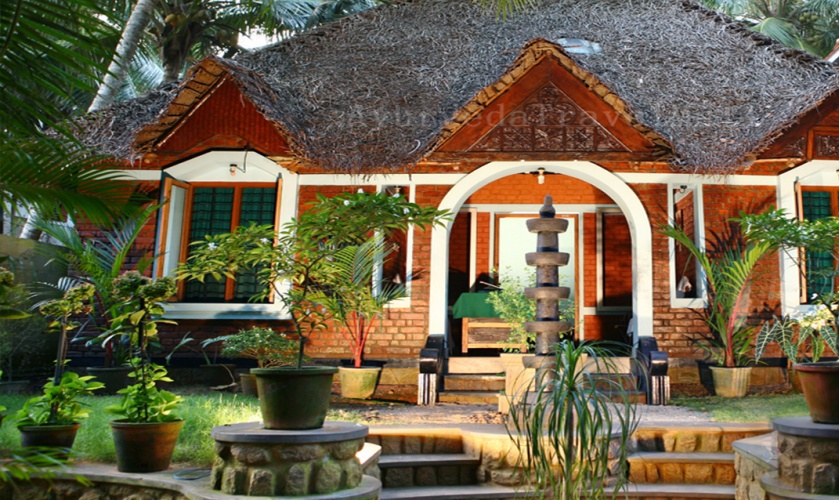
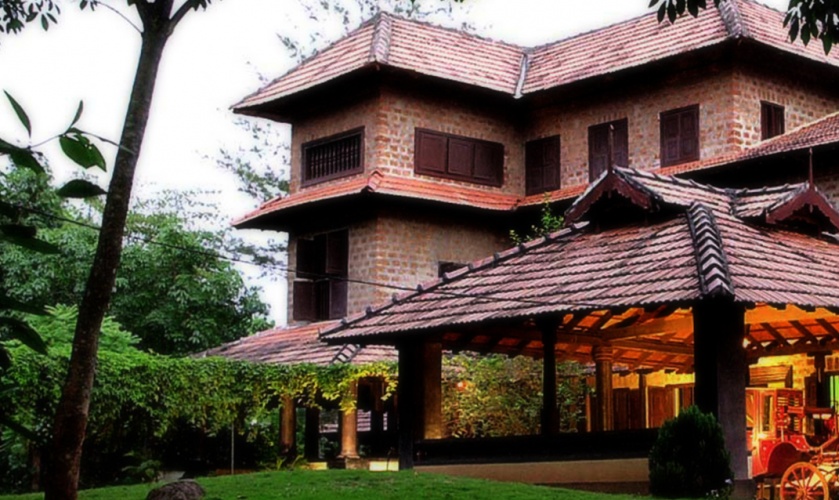
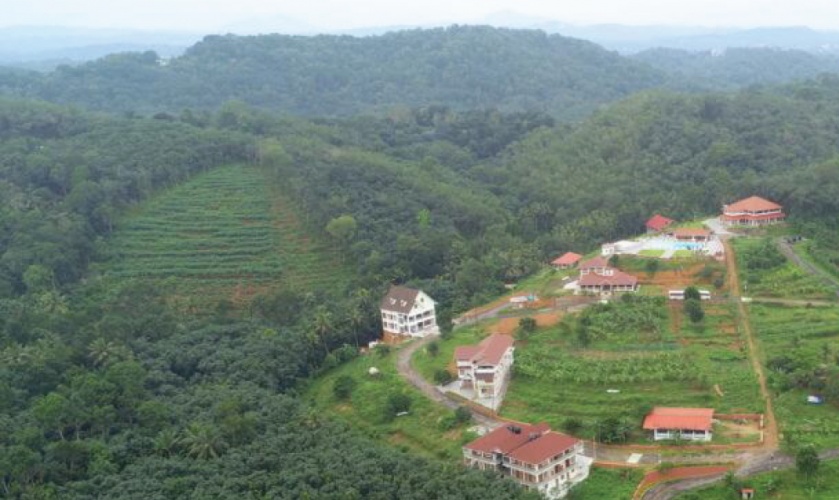
Kerala, India offers one of the world's strongest traditions for treating Amavata, with experienced physicians, authentic Panchakarma centres, specialised Vaitarana Basti expertise, classical herbal formulations prepared in-house, and generations of clinical experience managing chronic inflammatory joint disorders alongside modern care.

Recommended areas: Alleppey, Kovalam, Kumarakom, Wayanad, Palakkad.

For authentic Amavata management, specialised Panchakarma, and physicians experienced in tailoring treatment to disease activity, Kerala is the strongest choice.

How WellnessLoka Helps

Verified centres. Every retreat we recommend has been independently assessed for physician credentials, genuine expertise in Amavata, authentic Panchakarma capability, the clinical judgement to sequence treatment safely around disease activity, proper medical supervision, and a clear commitment to working alongside.

A free consultation with our Ayurvedic doctor. Before you book, speak with our in-house consultant to discuss your diagnosis, current medications, disease activity, and whether a retreat is appropriate for you now.

Transparent comparison and support. Clear, honest information on every centre physicians, therapies, accommodation, program structure, and pricing across Kerala, Sri Lanka, and Bali. Our partner pricing is lower than booking directly, across a range of budgets, and our team supports you from first enquiry to the end of your program.

Begin Your Healing Journey

Living with rheumatoid arthritis means managing more than painful joints it means protecting mobility, preserving independence, reducing inflammation, and maintaining quality of life for years to come. Modern rheumatology is the essential foundation that makes this possible.

Alongside it, authentic Ayurvedic care offers a comprehensive, long-term approach strengthening digestion, addressing the underlying Ama-Vata imbalance, and supporting healthier daily habits. Integrated with your ongoing medical treatment, it's a thoughtful path toward better joint comfort, improved function, and sustained wellbeing.

Book Free Consultation


Frequently Asked Questions

In Ayurveda, rheumatoid arthritis closely resembles Aamavata, a condition caused by toxin accumulation (Ama) and aggravated Vata Dosha affecting the joints and connective tissues.
Yes. Ayurveda uses Panchakarma, herbal medicines, detoxification, dietary regulation, and lifestyle correction to help reduce inflammation, stiffness, pain, and support long-term joint health naturally.
Common therapies include Basti (medicated enema), Virechana (therapeutic purgation), Abhyanga (oil massage), Swedana (steam therapy), and herbal Kizhi treatments.
Ayurveda focuses on removing Ama (toxins), balancing Doshas, improving digestion, reducing inflammation, and supporting circulation and joint nourishment.
Common Ayurvedic herbs include Guggulu, Shallaki, Guduchi, Ashwagandha, and Dashamoola, which may help support inflammation reduction and joint mobility.
Panchakarma in RA requires substantial care with Amavata-specific approach essential — fundamentally distinct from conventional Vata Vyadhi Panchakarma approach. Critical Amavata-specific principle: substantial care or avoidance of excessive Snehana in active Ama phase with substantial classical recognition that conventional Vata Vyadhi Snehana approach inappropriate during active Amavata. Specialised Amavata-appropriate approach: Vaitarana Basti as specialised Amavata-specific Basti approach with substantial classical Amavata-specific use; gentle modified approaches in selected stable patients; substantial care with substantial Virechana in RA context. Vamana typically inappropriate. Substantial practitioner expertise essential with specific Amavata expertise. Acute severe flares require urgent rheumatology care, never substantial Panchakarma intervention. Continued rheumatology coordination essential.
Yes. Ayurveda strongly emphasises diet to reduce toxin accumulation and inflammation by avoiding heavy, processed, cold, and incompatible foods.
Yes. Ayurveda considers stress and emotional imbalance as factors that aggravate Vata Dosha and inflammatory conditions like Aamavata.
Kerala is known for authentic Panchakarma therapies, experienced Ayurvedic doctors, medicated oil treatments, and specialised programs for chronic inflammatory and joint disorders.
Substantial benefits typically develop over 3-6 months of sustained integrated approach with substantial cumulative benefits over years. Initial benefits often noted within first 2-3 weeks of comprehensive Simhanada Guggulu-led classical Amavata formulations and Amavata-specific dietary integration. Comprehensive retreat programs: 14-21 days minimum for comprehensive Amavata approach with Vaitarana Basti when appropriate; 21-28 days for extended programs with comprehensive sustained Amavata-specific support. Critical recognition that rheumatoid arthritis is chronic autoimmune condition requiring sustained lifelong management — Ayurveda provides meaningful supportive integrative value not cure; sustainable lifestyle integration essential including continued comprehensive Amavata-specific dietary integration absolutely essential as absolute foundation, sustained comprehensive stress management, sustained smoking cessation, continued essential DMARDs and biologics absolutely essential. Periodic retreats annually valuable for sustained reinforcement.
Yes, Simhanada Guggulu is the cornerstone classical Ayurvedic formulation specifically for Amavata (rheumatoid arthritis) with substantial classical use providing comprehensive Amavata-specific approach with sophisticated classical framework. Composition: classical formulation centered on Guggulu (Commiphora wightii) combined with specific Amavata-supportive herbs providing comprehensive Ama-Vata pacification and broader Amavata-specific benefits with sophisticated classical sophistication. Substantial classical applications: chronic Amavata as cornerstone application; chronic inflammatory arthritis with Amavata pattern; broader Amavata applications. Substantial benefits: comprehensive Ama-Vata clearing through Amavata-specific approach; comprehensive joint-supportive effects; broader Amavata integrative benefits. Standard administration: appropriate amounts daily under practitioner guidance. Sustained use for substantial cumulative benefits. Combined with comprehensive classical Amavata approach including Rasna Saptak Kashayam, Vaitarana Basti when appropriate, and comprehensive Amavata-specific dietary integration. WellnessLoka verified centres provide authentic Simhanada Guggulu preparations alongside continued essential DMARDs and biologics.
The best Ayurvedic dietary approach for rheumatoid arthritis follows comprehensive Amavata-specific dietary integration as absolute foundation with substantial classical sophistication. Foods to avoid absolutely: Viruddha Ahara (incompatible food combinations) with substantial classical recognition as fundamental Amavata cause; dairy in active Amavata with substantial classical recognition of dairy potentially aggravating Ama; excessive cold raw foods; excessive sour fermented foods; excessive heavy processed foods; excessive sugar; identified personal triggers. Beneficial foods: warm freshly prepared foods; specific Ama-digestive spices as cornerstone including Shunthi (dry ginger) with substantial classical Amavata use, turmeric with substantial anti-inflammatory evidence, cumin, Hingu (asafoetida), cardamom, coriander; specific light easily digestible foods; warm soups; adequate hydration essential with warm water particularly valuable; Mediterranean dietary pattern integration. Sustained lifelong integration essential.
Absolutely not — continue all prescribed DMARDs including methotrexate and biologics throughout Ayurvedic integrative care without modification. Critical principles: methotrexate as foundational DMARD cornerstone with substantial outcomes evidence transforming RA outcomes from progressive disabling condition to one where remission is achievable for substantial patients with appropriate aggressive early treatment; biologics with substantial recent advances including anti-TNF, anti-IL-6, anti-CD20, JAK inhibitors provide substantial outcomes evidence; discontinuation creates substantial risks including disease flare, accelerated joint destruction, increased extra-articular complications. Any medication changes must be discussed with rheumatologist — never made unilaterally. Comprehensive medication interaction awareness essential for any herbal additions. Centres encouraging DMARD or biologic discontinuation should be absolutely avoided as dangerous.
Ayurveda cannot cure rheumatoid arthritis which is chronic autoimmune condition requiring continued evidence-based rheumatology care including DMARDs and biologics providing substantial outcomes evidence. Ayurvedic care provides meaningful supportive integrative value through comprehensive Amavata framework including Simhanada Guggulu-led classical formulations, Vaitarana Basti, comprehensive Amavata-specific dietary integration absolute foundation, comprehensive stress management. Continued essential DMARDs (methotrexate foundational) and biologics absolutely essential when prescribed — modern advances have transformed RA from progressive disabling condition to one where remission is achievable for substantial patients with appropriate aggressive early treatment. Substantial supportive value alongside continued treatment often achievable with sustained integrated approach. Centres claiming RA cure should be absolutely avoided as dangerous. Continued rheumatology care absolutely essential.
Kerala, India offers the most clinically authentic destination for rheumatoid arthritis supportive Ayurvedic care with the deepest preservation of authentic classical Amavata tradition globally. Experienced BAMS and MD Ayurveda physicians with specialised training in classical Amavata Ayurveda provide established specialised Simhanada Guggulu-led classical Amavata formulation capability as cornerstone, specialised Vaitarana Basti capability as specialised Amavata-specific Basti approach, specialised comprehensive Amavata-specific dietary integration capability as absolute foundation, specialised substantial care to avoid excessive Snehana in active Ama phase capability, specialised gentle external therapies matched to disease activity capability, authentic in-house preparation of cornerstone classical Amavata formulations essential (Simhanada Guggulu, Rasna Saptak Kashayam, Maharasnadi Kashayam, Amavatari Rasa, Yogaraj Guggulu, Kaishore Guggulu), comprehensive stress management integration capability, smoking cessation support absolutely essential, and absolute commitment to coordination with continued rheumatology care including continued essential DMARDs (methotrexate foundational) and biologics (anti-TNF, anti-IL-6, anti-CD20, JAK inhibitors). WellnessLoka verified centres in Alleppey, Kovalam, Kumarakom, Wayanad, and Palakkad provide specialised rheumatoid arthritis supportive care with verified expertise across 160+ audited properties.
About WellnessLoka

WellnessLoka is established with the aim of making the world a happier and a healthier place. Based in Kerala, Gods' Own Country, WellnessLoka seeks to help wellness enthusiasts find and book different wellness options in a hassle free manner.

Read more >>


Join Our Network

Let us help you to get more guests to experience the unique wellness services provided at your property.

Join Now


Contact

WellnessLoka
Koozhampala Solutions Private Limited
Integrated Startup Complex
Kerala Startup Mission
Kerala Technology Innovation Zone
Kinfra Hi-Tech Park Main Rd
HMT Colony P.O
Kochi, Kerala - 683503
GSTIN: 32AAGCK3772L1ZB
+91 8086 040101
[email protected]

     
© 2016 - 2026 WellnessLoka. All Rights Reserved