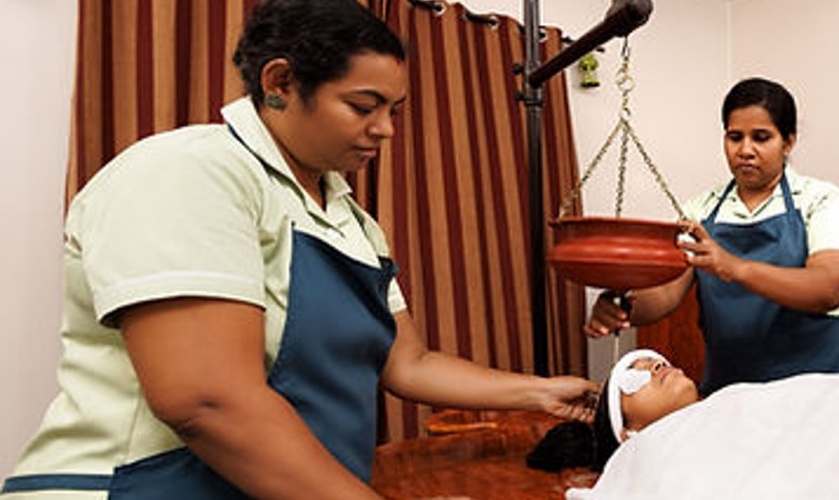
Postpartum Care Retreat

The weeks after giving birth are one of the most demanding recoveries a body ever makes. A mother has grown and delivered a baby, and is now healing, often exhausted, hormonally in flux, and (if breastfeeding) still nourishing another human being. Ayurveda treats the postpartum period, Sutika Kala, as a sacred, structured recovery window, requiring weeks of deliberate rest, deep nourishment, warmth, and support to rebuild the mother fully. This is one of the areas where Ayurveda's wisdom is genuinely, richly valuable, because it takes the mother's recovery as seriously as it deserves. Ayurveda calls this care Sutika Paricharya (or Prasava Raksha), understanding the postpartum body as depleted and Vata-aggravated, needing warmth, nourishment, and rebuilding of strength and Ojas. This page is about that nourishing recovery care always alongside your medical postnatal care, and with your and your baby's wellbeing at the centre.

Book Consultation
Search
Filter by:   
Sort by:   

No more packages to load.

What Is Postpartum Care?

Postpartum (or postnatal) care is the care of a mother in the weeks and months after birth, as her body recovers and she adapts to caring for a newborn. It's a period of enormous change — physical healing, dramatic hormonal shifts, the establishment of breastfeeding, profound tiredness, and emotional adjustment.

Ayurveda, has always held that how a mother is cared for in these weeks shapes her health for years to come, and modern understanding increasingly agrees. So this is a genuinely important, and genuinely under-served, phase.

Ayurveda understands the postpartum body simply: the birth leaves it depleted (of tissues, strength, and Ojas, the vital reserve) and with aggravated Vata (from the sudden emptying and fluid loss). So the whole aim of care follows naturally, warm the mother, nourish her deeply, calm the Vata, rebuild her strength, and support her milk and her spirits. Rest, nourishment, warmth, and gentle care.

What the Postpartum Body and Mother Need

The recovering mother needs support across several fronts, and Ayurveda addresses them beautifully:

  • Rest genuine, protected rest, which the tradition treats as essential medicine, not a luxury
  • Deep nourishment warm, nourishing, easily-digested food to rebuild depleted tissues and support milk
  • Warmth warming food, warm oil, a warm environment, all to soothe aggravated Vata
  • Physical recovery of the abdomen, pelvic floor, and strength, gently and gradually
  • Lactation support where breastfeeding
  • Emotional wellbeing and support perhaps most important of all (see the mental-health section)
  • Restored digestion since digestion is typically weak after birth

Postpartum Mental Health

Before the nourishing care, the message that matters most, warmly and clearly: your mental health after birth matters enormously, and you deserve real support.

The early "baby blues" feeling tearful, overwhelmed, or up-and-down in the first week or two — are very common and usually pass. But it's essential to know the difference between that and something needing help:

  • Postpartum depression — persistent low mood, hopelessness, anxiety, difficulty bonding, or feeling unable to cope, lasting beyond the first couple of weeks or feeling severe — is common, real, and very treatable. Please reach out to a doctor, midwife, or health visitor. There is no shame in it, and help genuinely works.
  • Postpartum psychosis — confusion, hallucinations, feeling detached from reality, or any thoughts of harming yourself or your baby is a medical emergency needing urgent care immediately.

Ayurveda's warm, restful, supportive care can genuinely nurture wellbeing and help buffer against the strain. But it is never a substitute for professional help where low mood is significant, and it never replaces urgent care in an emergency. If you're struggling, please tell someone. You matter, not only as a mother but as yourself.

Postpartum Physical Warning Signs

  • Heavy vaginal bleeding (soaking pads, large clots) or bleeding that suddenly increases
  • Fever, chills, or foul-smelling discharge (possible infection)
  • Severe abdominal, pelvic, or perineal pain, or a wound (C-section or tear) that's hot, red, or oozing
  • A painful, swollen, hot leg (possible clot — do not massage it; the risk of blood clots is genuinely raised after birth)
  • Chest pain or difficulty breathing (a medical emergency)
  • Severe headache with vision changes or swelling (pre-eclampsia can occur after birth too)

These are never managed at home or with remedies — they need prompt medical care.

How Ayurveda Cares for the New Mother: Sutika Paricharya

This is where Ayurveda genuinely shines, because its postpartum tradition, Sutika Paricharya — is one of the most tender, structured, and right systems of mother-care anywhere. It recognises the new mother as depleted and Vata-aggravated, and wraps her in warmth, nourishment, and rest, deliberately, for weeks. Its principles are simple and profound:

Deep nourishment and restored digestion. Because digestion is weak after birth and the body is depleted, care begins with gentle, warm, easily-digested nourishing food (starting light — rice gruel, warm milk with herbs — and building to rich, rebuilding nourishment), restoring the digestive fire so the mother can truly rebuild her tissues.

Warmth and gentle oil care. Daily warm Abhyanga (oil massage) is a cornerstone of traditional postpartum care — genuinely soothing to aggravated Vata, easing the aches, tiredness, and stiffness of the postpartum body, improving circulation, and offering the mother nurturing touch at a depleting time. Gentle warmth (Swedana) and a warm environment support this.

Abdominal binding (Udara Bandhana). The traditional practice of gently binding the abdomen supports the abdominal muscles as they recover, aids the womb's return to size, and eases back strain — a genuinely helpful, time-honoured practice.

Rebuilding strength and Ojas (Rasayana). Nourishing, restorative care and, once initial recovery is underway, gentle Rasayana rebuild the strength, vitality, and Ojas that birth and breastfeeding deplete — the heart of preventing the lingering, years-long depletion so many mothers experience.

Lactation support (Stanya Janana). Where breastfeeding, nourishing food, good hydration, rest, calm, and traditional galactagogue herbs like Shatavari and fenugreek support milk supply — always checked for breastfeeding safety.

Rest, calm, and emotional support. Ayurveda's insistence on protected rest and a calm, supported, low-stress environment for the new mother is perhaps its most valuable and modern wisdom — honouring the emotional recovery as much as the physical.

What a Postpartum Programme Involves

Stage Gentle focus
First days–2 weeks Deep rest, light warm nourishing food, restoring digestion, gentle warm oil care, emotional support
Weeks 2–6 Building nourishment, daily Abhyanga, abdominal binding, lactation and strength support
Beyond 6 weeks Rasayana rebuilding of strength and Ojas, gradual return to activity, gentle rehabilitation
Throughout Rest, warmth, nourishment, calm, family support — and medical postnatal follow-up

Any programme is designed with an Ayurvedic doctor experienced in postpartum care, kept gentle and breastfeeding-safe, and coordinated with your medical postnatal care.

What Ayurveda Can and Cannot Do

Postpartum care is a rare page where the honest message is largely, and genuinely, positive.

This is one of Ayurveda's real strengths — and fills a genuine gap. Ayurveda's structured, weeks-long tradition of deeply nourishing, warming, resting, and rebuilding the new mother is authentic, wise, and increasingly echoed by modern understanding of postpartum recovery. In a world that often under-supports mothers after birth, this care can genuinely help a mother recover more fully, feel more supported, establish breastfeeding, and avoid the lingering depletion (the exhaustion, hair loss, aches, and "never quite recovered" feeling) that so many experience for years. Here, Ayurveda contributes substantially and warmly.

But it complements medical postnatal care, and never replaces it. Your postnatal medical check-ups, and prompt care for any complication, remain essential. Ayurvedic care nourishes and rebuilds; it doesn't monitor for or treat medical complications.

Mental health needs real support — this is non-negotiable. Warm, nurturing care helps wellbeing, but postpartum depression needs professional help, and postpartum psychosis is an emergency. Ayurveda supports the mother's spirits genuinely, but never substitutes for mental-health care when it's needed. Please always reach out if you're struggling.

Breastfeeding safety is essential. Herbs pass into breast milk, so nothing — herb, supplement, or medicated oil taken internally — should be taken while breastfeeding without confirming it's safe. A responsible practitioner uses only breastfeeding-safe care and coordinates with your doctor.

Physical complications are emergencies. Heavy bleeding, fever, signs of infection, a possible leg clot, or breathing difficulty need urgent medical care, not recovery care.

Is This Right for You?

Ayurvedic postpartum care may be a genuinely nourishing gift to you if you've recently given birth, your recovery is proceeding normally, and you'd like deep, restorative support — nourishment, warmth, rest, gentle recovery care, lactation and emotional support — to recover more fully and feel truly cared for, alongside your medical postnatal care.

Please prioritise medical or mental-health care, and be cautious, if:

  • You have any physical warning sign — heavy bleeding, fever, severe pain, a hot swollen leg, or breathing difficulty — seek urgent care.
  • You have any sign of postpartum depression (persistent low mood, inability to cope) — please reach out for support; and any postpartum psychosis sign (confusion, hallucinations, thoughts of harm) is an emergency.
  • You are breastfeeding — ensure any herbs or preparations are confirmed safe first.
  • You had a complicated birth, C-section, or ongoing complications — your medical care leads, and any supportive care must be gentle, cleared, and coordinated.
  • Anything is offered as a replacement for medical postnatal or mental-health care — please decline.

Where to Go: Kerala

Kerala, India offers arguably the world's deepest living tradition of Sutika Paricharya (postpartum) care, with physicians and therapists genuinely experienced in the nourishing, warming, rebuilding care of new mothers kept gentle, breastfeeding-safe, and coordinated with medical care.

Recommended areas: Alleppey, Kovalam, Kumarakom, Wayanad, Palakkad.

In every case, the right centre offers experienced, gentle, breastfeeding-safe postpartum care, takes mental health seriously, and works alongside your medical postnatal care — ideally with maternity medical services within reach.

How WellnessLoka Helps

Warm, honest guidance. For postpartum care, we can offer something genuinely valuable — because this is one of Ayurveda's real strengths — while being honest that medical postnatal care, mental-health support, and breastfeeding safety come first. We'll always hold both: the nourishing tradition, and the safety that protects you.

A free consultation with our Ayurvedic doctor. If your recovery is proceeding normally and you'd like deep, restorative postpartum support, our in-house consultant can discuss a gentle, nourishing, breastfeeding-safe programme suited to your stage of recovery — and will always ensure your medical care continues and that any sign of postpartum depression or complication is directed to the right help. Purely guidance, no obligation.

Verified, postpartum-experienced centres. Every centre we list for postpartum care has been assessed for physician credentials, genuine experience in Sutika Paricharya (new-mother) care, therapists skilled in gentle postpartum therapies, strict breastfeeding safety, seriousness about postpartum mental health, awareness of postpartum warning signs, and coordination with medical postnatal care.

Note for New Mothers

If you've just had a baby — first, congratulations, and second, please hear this: you matter too. In all the focus on the newborn, the mother is so often left to simply cope, when what she truly needs is to be cared for, deeply, as she recovers from one of the most demanding things a body ever does.

This is exactly the wisdom Ayurveda has held for thousands of years — that the weeks after birth are a sacred recovery time, and that a mother deserves rest, warmth, deep nourishment, and tender care to rebuild her strength and her spirit. Offered gently, safely, and alongside your medical care, this nourishing tradition can help you recover more fully, feel genuinely supported, and step into motherhood restored rather than depleted. You have given so much. Let yourself be cared for, too.

Book Free Consultation


Frequently Asked Questions

Prasava Raksha is the classical Ayurvedic systematic framework for postpartum maternal care during the critical Sutika Kala (42-day postpartum) period. It provides comprehensive integrated approach addressing physical recovery, hormonal rebalancing, lactation support, mental-emotional adjustment, sleep restoration, and constitutional rebuilding through structured daily routines, dietary protocols, herbal therapy including Dashamoolarishtam and Shatavari, daily Abhyanga, and lifestyle integration. WellnessLoka centres offer authentic Prasava Raksha programs in Kerala with classical expertise in this distinctive contribution to maternal health.
Classical Ayurvedic Sutika Kala is most commonly described as 42 days (6 weeks) postpartum — representing the critical window for systematic maternal recovery care. Some classical texts describe modified durations including 11 days (shorter intensive period), 4 months (extended consideration), or 12 months (full constitutional recovery). Contemporary application typically uses the 42-day core Sutika Kala with extended modified protocols for 3-6 months postpartum. Comprehensive care during this window has substantial implications for long-term maternal health spanning years.
Dashamoolarishtam is the most clinically important Ayurvedic postpartum formulation, providing comprehensive Vata-pacification, digestive support, hormonal rebalancing, lactation support, and broader constitutional rebuilding in single integrated preparation. The classical fermented preparation of the ten roots is the foundational postpartum tonic continued for 42 days minimum. Shatavari is the most important single herb particularly for lactation support and broader women's health, often called "rasayana for women." Both are central to comprehensive Prasava Raksha care.
Yes, comprehensive Ayurvedic postpartum care is genuinely valuable for cesarean delivery mothers with specific adaptations. Abhyanga is performed avoiding direct application over fresh cesarean scar for 4-6 weeks until completely healed, with full Abhyanga to other areas during initial healing and gentle work over the healed scar area afterward. Internal therapy with Dashamoolarishtam and other formulations supports both standard postpartum recovery and additional surgical healing. Many cesarean mothers find the comprehensive care particularly valuable given the substantial recovery needs.
Ayurveda provides comprehensive lactation support through multiple integrated approaches — dietary emphasis on lactation-supportive foods (Shatavari preparations, garlic kheer traditionally, specific milk preparations, fenugreek, drumstick leaves), classical formulations including Shatavari Ghrita, Shatavari Kalpa, and other galactagogue preparations; comprehensive constitutional support through Dashamoolarishtam supporting overall recovery affecting milk supply; lifestyle support including adequate rest, warm fluids, stress reduction. Many breastfeeding challenges respond well to comprehensive integrative approach alongside continued lactation consultant support.
Optimal Ayurvedic postpartum care begins within the first few days after delivery during early Sutika Kala — providing maximum benefit during the most active recovery phase. Initial care begins gently with appropriate herbal therapy, dietary protocols, gentle Abhyanga (adapted to delivery type), and structured rest. Substantial value is possible across the entire postpartum period including mid-postpartum (3-6 weeks), late postpartum (6 weeks to 6 months), and even extended postpartum care up to a year postpartum with modified comprehensive protocols.
Postpartum Abhyanga is safe and beneficial with appropriate modifications for healing tissues. For vaginal delivery with perineal stitches — gentle technique to pelvic region with focus on broader body, with full pelvic Abhyanga after healing typically 2-3 weeks. For cesarean delivery with abdominal stitches — Abhyanga to all body areas avoiding direct application over fresh scar until completely healed (typically 4-6 weeks), then gentle work over healed scar. WellnessLoka therapists are specifically trained in these modifications ensuring safe effective care for all delivery types.
Ayurveda provides genuinely valuable integrative support for postpartum mood vulnerability through comprehensive constitutional approach. Specific support includes Saraswatarishtam for nervous system support, Brahmi preparations for cognitive support, Jatamansi for anxiety, Shatavari for women's reproductive system support, comprehensive Abhyanga providing nervous system regulation, supportive environment, dietary support, and broader constitutional rebuilding. For severe postpartum depression or psychosis, integrative care complements but does not substitute for appropriate mental health care including potentially medication.
Classical Ayurvedic postpartum dietary protocols emphasize hot, oily, easily digestible, nourishing foods with phase-specific progression. Early Sutika Kala: rice gruel with Trikatu and ghee, khichari, vegetable soups, warm milk with spices, adequate ghee (1-2 tablespoons daily). Avoid: cold foods, raw foods, dry foods, heavy fried foods, excess spicy foods. Middle phase: gradual expansion with lactation-supportive foods. Late phase: full nutritious diet with adequate protein, continued ghee, Rasayana foods. Adequate warm fluids throughout. WellnessLoka programs include integrated meal preparation following these protocols.
Ayurveda approaches postpartum weight management through gradual sustainable approach rather than aggressive weight loss focus during early postpartum. Comprehensive Sutika Kala care supports natural recovery including hormonal rebalancing, optimal lactation establishment (which itself supports gradual weight loss), restored digestion through Avipattikara Churna and related herbs, and constitutional rebuilding. Active weight management typically begins around 6 months postpartum with appropriate dietary patterns, structured exercise, continued breastfeeding where applicable, and sustained integrative support. Recognition that complete recovery takes 6-12 months with weight normalization following.
About WellnessLoka

WellnessLoka is established with the aim of making the world a happier and a healthier place. Based in Kerala, Gods' Own Country, WellnessLoka seeks to help wellness enthusiasts find and book different wellness options in a hassle free manner.

Read more >>


Join Our Network

Let us help you to get more guests to experience the unique wellness services provided at your property.

Join Now


Contact

WellnessLoka
Koozhampala Solutions Private Limited
Integrated Startup Complex
Kerala Startup Mission
Kerala Technology Innovation Zone
Kinfra Hi-Tech Park Main Rd
HMT Colony P.O
Kochi, Kerala - 683503
GSTIN: 32AAGCK3772L1ZB
+91 8086 040101
[email protected]

     
© 2016 - 2026 WellnessLoka. All Rights Reserved