
Menopause Treatment

Menopause is a natural stage in a woman's life, the permanent end of menstruation, usually between the ages of about 45 and 55, as the ovaries wind down their production of estrogen and progesterone. It is not a disease, and it is not a decline; it's a transition that roughly half of all humans are designed to pass through. But because estrogen touches so much of the body and not just the reproductive system, but the brain, bones, heart, skin, and temperature regulation, its gradual withdrawal can bring a wide range of symptoms: hot flushes and night sweats, disturbed sleep, mood changes and anxiety, brain fog, joint aches, vaginal dryness, and more. Ayurveda understands menopause as Rajonivritti and offers a genuinely well-suited supportive tradition of nourishing, grounding, calming care. This page also covers the two long-term priorities too few women are told about: protecting the bones and the heart.

Book Consultation
Search
Filter by:   
Sort by:   

What Is Menopause?

For most of adult life, the ovaries produce hormones in a monthly rhythm. Menopause is the natural winding-down of that rhythm, confirmed once a woman has gone twelve consecutive months without a period. It's usually preceded by a transition of several years — perimenopause.

The key to understanding the symptoms is this: estrogen isn't only a reproductive hormone. Receptors for it sit throughout the body, so when its levels fall, the effects are felt widely — which is why menopause can bring such a varied set of symptoms all at once, not just "down there." Understanding it as one change, felt across the whole body makes the experience far less bewildering.

And a reframe worth holding onto: menopause is a normal, natural life stage — not something gone wrong, and not a woman "fading." It's a season change. The aim of good care isn't to fight it, but to move through it comfortably and to protect long-term health for the decades ahead.

Signs and Symptoms

  • Vasomotor: hot flushes, night sweats, sometimes palpitations
  • Sleep: insomnia, disturbed or unrefreshing sleep
  • Mood and mind: anxiety, irritability, low mood, mood swings, brain fog, poor concentration
  • Genitourinary: vaginal dryness, discomfort, urinary frequency or urgency, recurrent urinary infections
  • Musculoskeletal: joint aches, muscle weakness, and — importantly, over time — bone thinning
  • Skin and hair: dryness, loss of elasticity, thinning hair
  • Metabolic: weight changes and shifts in cholesterol

Symptoms vary enormously between women — some sail through with little trouble, others struggle significantly — and both are normal. One symptom, however, is not part of normal menopause and always needs checking: any bleeding after menopause (once your periods have stopped for good) should be assessed by a doctor.

Causes and the Menopausal Transition

Menopause is caused simply by the natural aging of the ovaries and the decline in estrogen and progesterone — a normal physiological process, not an illness. The transition has three phases: perimenopause (the fluctuating lead-up, often with the most turbulent symptoms), menopause (twelve months with no period), and postmenopause (the years after).

Menopause can also come earlier or suddenly — for instance after surgery to remove the ovaries, or after certain medical treatments (chemotherapy or radiotherapy) — which can bring more abrupt symptoms and specific considerations best discussed with a doctor. Diagnosis is usually clinical, based on age and symptoms, sometimes with hormone tests where the picture is unclear.

The Conventional Medical Approach

Modern medicine offers real, effective options, and the honest message is about choice:

  • Hormone Replacement Therapy (HRT) — genuinely effective for many women, especially for hot flushes and night sweats, and protective for bone health. It's important to be balanced and current here: for many women, particularly those starting it around the time of menopause, HRT is a safe and reasonable choice. Like any treatment it has benefits and considerations, and the right answer is individual — so the honest approach is to know your options and decide with your doctor, not to be frightened away from a legitimate treatment, nor pushed toward it.
  • Non-hormonal medications for specific symptoms, for women who can't or prefer not to take HRT.
  • Vaginal estrogen and moisturisers for genitourinary symptoms.
  • Psychological support for mood, and lifestyle measures throughout.
  • Bone and heart health assessment — including, where appropriate, a bone-density (DEXA) scan.

Ayurvedic care complements all of this beautifully — it's genuinely well-suited to easing menopausal symptoms and supporting the transition — and works alongside, not instead of, your medical options.

How Ayurveda Understands Menopause

Ayurveda's understanding of menopause is compassionate and apt: it calls it Rajonivritti and classes it as Swabhavika — a natural phenomenon, part of the aging process (Jara), not a disease. That framing alone is a gift, in a culture that too often treats menopause as decline.

In Ayurveda, the later years of life are naturally governed by Vata — the principle of dryness, movement, and lightness — and menopause is understood as the doorway into that Vata phase. This explains so many of the symptoms beautifully: the dryness (of skin, tissues, and vaginal tissue), the anxiety and racing thoughts, the disturbed sleep, the joint aches, and the emotional lightness and variability are all classic Vata. Underlying it is Dhatu Kshaya — a natural thinning of the tissues with age, including the bones — and where there's heat (hot flushes, irritability, burning), Pitta is involved; where there's weight gain and heaviness, Kapha. Depleted Ojas (the body's vitality reserve) reflects the whole transition's toll.

So the Ayurvedic aim is clear and well-matched to the need: ground and calm the aggravated Vata, nourish the thinning tissues, cool the Pitta heat, and rebuild Ojas — supporting a woman through the change rather than treating a disease.

The Ayurvedic Supportive Approach

This is one of the areas Ayurveda genuinely shines, because its nourishing, grounding, calming tradition maps so directly onto what a body entering the Vata season needs.

Rasayana — nourishing rejuvenation, the heart of it. Because menopause is fundamentally about depletion and thinning tissues, Rasayana (rejuvenation) is central — rebuilding strength, vitality, and Ojas. The signature women's-health herb is Shatavari, traditionally treasured for exactly this transition, alongside Ashwagandha (for stress and resilience), cooling Yashtimadhu and Amalaki, and calming Brahmi and Jatamansi for sleep and mood.

Grounding and calming therapies. Abhyanga (warm oil massage) directly counters Vata's dryness — grounding, calming, and nourishing to skin and joints. Shirodhara (a steady stream of warm oil over the forehead) is especially valuable for the anxiety, insomnia, and mental turbulence of this time. Basti (medicated enema therapy), Ayurveda's foremost Vata treatment, supports bone, joint, and systemic balance. Nasya is traditionally used for the mind and mood, and Pinda Sweda (warm herbal-bolus therapy) eases the joint and muscle aches.

A nourishing, grounding diet and lifestyle. Warm, nourishing, easily-digested food over cold, dry, and processed; calcium- and protein-adequate nutrition for the bones; good hydration; and — genuinely important — stress management, good sleep, and gentle strengthening exercise. These do a great deal for both symptoms and long-term health.

Yoga and calming practices — gentle asanas, and breathing practices like Sheetali (cooling, for hot flushes) and Bhramari and Anulom Vilom (calming) — support mood, sleep, flexibility, and bone health.

What Treatment Involves

Duration What it supports
7–14 days Vata-grounding and stress-calming therapies (Abhyanga, Shirodhara), sleep restored
14–21 days Deeper nourishing and Rasayana care, symptom relief embedded
21–28 days Extended rejuvenation for vitality, resilience, and constitutional balance
Ongoing at home Nourishing diet, bone-and-heart-protective lifestyle, stress and sleep care

Your programme is decided with the Ayurvedic doctor based on your dominant symptoms (Vata, Pitta, or Kapha pattern), your stage of transition, and your health — and works alongside whatever medical options you and your doctor choose. Because so much benefit comes from sustained nourishment and lifestyle, what you carry into daily life matters most.

What Ayurveda Can and Cannot Do

Menopause calls for honesty — and here, encouragingly, that honesty is largely positive.

Ayurveda is genuinely well-suited to supporting menopause. Because it's a natural transition of depletion and Vata aggravation — exactly what Ayurveda's nourishing, grounding, calming tradition addresses — its supportive care can meaningfully ease hot flushes, sleep problems, anxiety and mood, dryness, and joint aches, and rebuild vitality. For quality of life through the transition, this contribution is real and often substantial.

It doesn't "stop" menopause — nor should it. Menopause is a natural life stage, not a disorder to reverse. The honest aim is a comfortable, well-supported transition and strong long-term health — not turning back the clock. Anyone framing menopause as a disease to be "cured" misunderstands it.

Know all your options, including HRT — honestly. We won't tell you "natural is always better," because that wouldn't be true or fair. HRT is genuinely effective and, for many women, a safe and reasonable choice, especially started around the time of menopause; for others, non-hormonal or Ayurvedic approaches suit better. The right path is individual, and it's yours to decide with your doctor. Ayurveda can be a wonderful path for women who prefer a natural approach, can't take HRT, or want to complement it — and it works alongside medical care, not against it.

The two long-term priorities too few women are told about — bones and heart. As estrogen falls, bone loss accelerates (osteoporosis often begins here, silently, until a fracture), and the natural cardiovascular protection estrogen provided fades, so heart-disease risk rises — and heart disease is the leading cause of death in women. So menopause is the time to be proactive: weight-bearing exercise, calcium and vitamin D, a heart-healthy lifestyle, not smoking, and — worth asking your doctor about — a bone-density scan. This matters more for your decades ahead than any hot flush.

Is This Right for You?

Ayurvedic supportive care may suit you well if you're moving through perimenopause or menopause and want to ease your symptoms — hot flushes, sleep, mood, dryness, joint aches — and support your vitality and long-term health, through a natural, whole-person approach; whether you're choosing not to take HRT, can't take it, or want to complement your medical care.

See a doctor first, or alongside, if:

  • You have any bleeding after menopause — this always needs assessment.
  • Your symptoms are severe and affecting your life — you deserve to know all your options, including HRT.
  • You have early or sudden (surgical/medical) menopause — which has specific considerations worth discussing.
  • You're concerned about bones or heart health — ask about a bone-density scan and cardiovascular check; these matter.
  • You have other unexplained symptoms (not typical of menopause) that need evaluating.

A centre worth trusting will support your transition honestly, respect whatever medical choices you make, take your bone and heart health seriously, and coordinate with your doctor.

Where to Go: Kerala

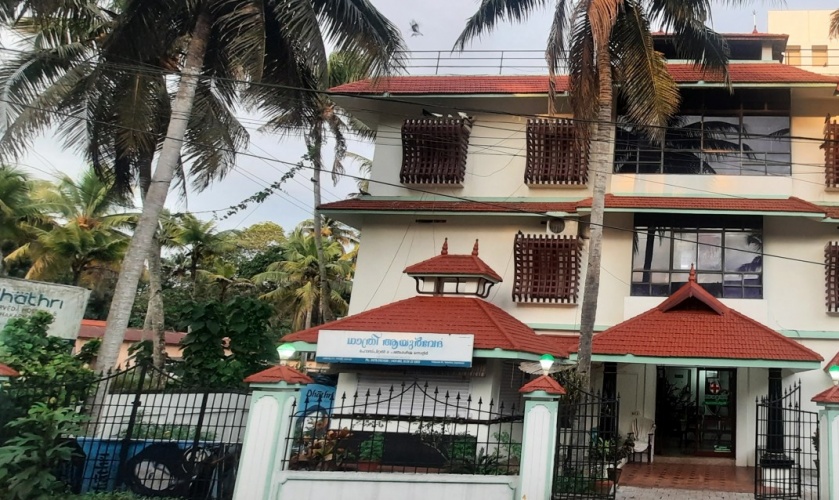
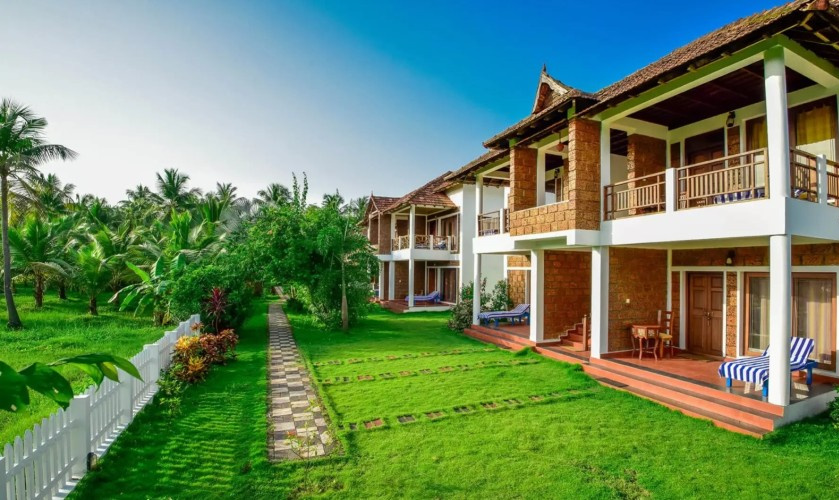
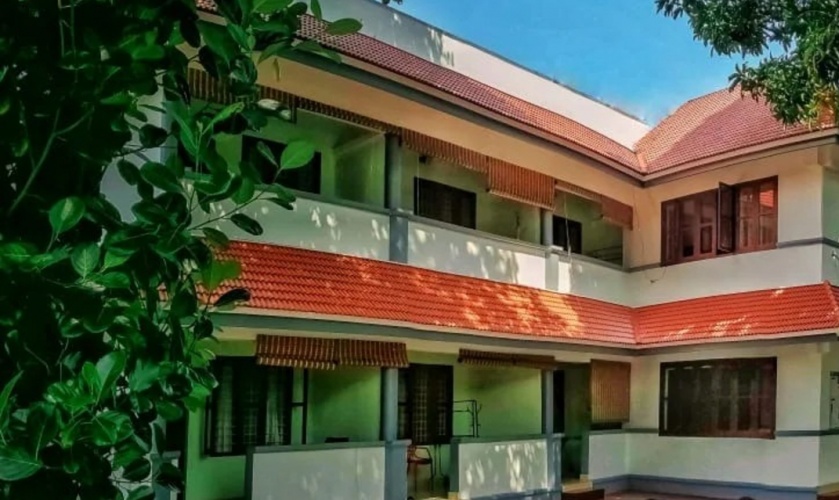
Kerala, India offers the deepest tradition of Rasayana rejuvenation and Vata-grounding care, with genuine expertise in women's-health and menopausal support, specialised therapies (Shirodhara, Basti, Abhyanga), authentic in-house formulations (including Shatavari-based preparations), and a calm, restorative setting.

Recommended areas: Alleppey, Kovalam, Kumarakom, Wayanad, Palakkad.

For authentic Rasayana and Vata-grounding menopausal care, Kerala is the strongest choice.

How WellnessLoka Helps

Verified centres. Every centre we list has been independently assessed for physician credentials and genuine expertise in women's-health and menopausal (Rajonivritti) care, specialised Vata-grounding and Rasayana therapies, authentic in-house formulations, seriousness about long-term bone and heart health, a respectful and honest approach to all your options (including HRT), and coordination with — not replacement of — your medical care.

A free consultation with our Ayurvedic doctor. Before you choose anything, speak with our in-house consultant. They'll review your symptoms and their pattern, your stage of transition, your bone and heart considerations, and your preferences — and design a nourishing, grounding programme suited to you. Where symptoms warrant discussing HRT or other medical options, or where bleeding or other signs need a doctor, we'll say so honestly. Purely guidance, no obligation.

Transparent comparison and support. Clear, honest information on every centre — credentials, women's-health capability, program structure, accommodation, and pricing — across Kerala. Our partner pricing is lower than booking directly, across a range of budgets, and our team supports you from first enquiry to the end of your programme.

Begin Your Healing Journey

Menopause is not a decline, not a disease, and not something wrong with you — it's a natural passage your body was always designed to make. The symptoms are real, and they deserve to be taken seriously and eased, not dismissed or endured in silence. And there is genuinely so much that helps.

This is also one of the transitions Ayurveda is most beautifully suited to support — because it understood, long ago, that these years are a season of dryness and depletion that call for nourishment, grounding, and calm. Warm, restorative therapies for the hot flushes and sleepless nights, rejuvenating care to rebuild your vitality, and a way of living that steadies body and mind. Know all your options, protect your bones and your heart for the years ahead, and let this be not an ending, but a threshold into a strong, steady chapter fully your own.

Book Free Consultation


Frequently Asked Questions

Yes, Ayurveda provides effective approaches for hot flashes through comprehensive integrative care. Key interventions include Shatavari as foundational herb with phytoestrogenic effects, Sheetali pranayama (cooling breath) providing immediate cooling effects, Shirodhara for nervous system regulation reducing hot flash frequency and intensity, cooling Pitta-pacifying dietary approach with adequate hydration, Chandanadi Taila Abhyanga for systemic cooling effects, stress management. Substantial reduction in hot flash frequency and intensity often achievable. WellnessLoka programs integrate comprehensive cooling protocols alongside continued conventional care for women's individual needs.
Yes, Shatavari (Asparagus racemosus) is the most clinically valuable Ayurvedic herb for menopause with substantial classical use as "the queen of herbs for women" and emerging modern evidence. Mechanisms include phytoestrogenic effects providing gentle estrogenic support, adaptogenic effects for stress, cooling effects for hot flashes, nourishing effects supporting vulvovaginal tissues, and broader constitutional support. Standard administration includes Shatavari Churna 3-6g twice daily, Shatavari Ghrita 1-2 teaspoons twice daily, or Shatavari Kalpa with warm milk, continued 3-6 months minimum for menopausal symptom management.
Menopausal weight gain has multiple causes (hormonal, metabolic, lifestyle, sleep, stress) requiring comprehensive approach. Effective strategies include Mediterranean-pattern dietary integration with substantial documented benefits, regular exercise combining cardio and resistance training, stress management (cortisol affects central adiposity), sleep optimization essential for metabolism, specific dietary patterns reducing refined carbohydrates and added sugars, adequate protein for muscle maintenance, Triphala for digestive support, mindful eating practices. Avoid restrictive dieting which often backfires. WellnessLoka programs integrate comprehensive weight management approach.
Comprehensive integrative approach for menopausal sleep disturbances includes Shirodhara for substantial nervous system regulation and sleep improvement, cooling bedroom environment essential (substantially impacts night sweats), light cotton bedding, evening cooling routine, Brahmi and Jatamansi for nervous system support, Saraswatarishtam for comprehensive support, Shatavari for hormonal balance, avoiding triggers (caffeine, alcohol, spicy foods near bedtime), stress management practices, gentle yoga in evening, Sheetali pranayama before sleep. Substantial sleep improvement often achievable. WellnessLoka programs structure comprehensive sleep optimization.
Yes, Yoni Pichu is particularly valuable for menopausal vaginal dryness and genitourinary syndrome of menopause. The therapy involves cotton pad with appropriate medicated oils (Shatavari Ghrita, specific medicated ghee preparations, Bala Taila) applied vaginally for 1-2 hours daily providing substantial moisturizing, tissue-supportive, lubricating, and symptom-relieving effects. Particularly valuable for vaginal dryness, dyspareunia, urinary symptoms. Course typically 14-21 daily applications during retreat with continued home regimen. Can complement local vaginal estrogen for women using HRT. WellnessLoka Kerala centres provide expert Yoni Pichu capability.
The most clinically valuable Ayurvedic preparations for menopause include Shatavari in various forms (Churna, Ghrita, Kalpa) as foundational women's Rasayana; Saraswatarishtam for nervous system support; Chandraprabha Vati for urogenital support; Lakshadi Guggulu for bone health; Phala Ghrita for women's health; Pushyanuga Churna for perimenopausal bleeding; Asthishrinkhala preparations for bone support; Brahmi, Jatamansi, Ashwagandha for individual symptoms; Chyawanprash for general constitutional support. Selection individualized based on specific symptom profile and constitutional considerations. WellnessLoka programs provide individualized prescription.
Comprehensive Ayurvedic approach to postmenopausal bone health (Asthi Kshaya prevention) includes Asthishrinkhala (Cissus quadrangularis) with classical use and modern evidence for bone density; Praval Pishti (coral preparation) providing natural calcium; Mukta Shukti Bhasma (pearl oyster) for additional bone support; Lakshadi Guggulu classical bone-supportive formulation; adequate dietary calcium (1200mg daily) through diet and supplementation; vitamin D adequacy (often requires supplementation); weight-bearing exercise essential; smoking cessation absolutely essential; fall prevention. Coordinated with continued bone density monitoring and bisphosphonates when indicated. WellnessLoka programs prioritize comprehensive bone health.
Yes, perimenopause can often be effectively managed without HRT through comprehensive integrative approach for many women. Key elements include Shatavari for hormonal support; Shirodhara for nervous system regulation; Saraswatarishtam for mood/anxiety; comprehensive Vata-pacifying constitutional approach; dietary integration including phytoestrogens (soy in moderation, flaxseeds); stress management; regular exercise; adequate sleep. HRT remains appropriate option for women with substantial symptoms or specific indications. Decision individualized based on symptom severity, health status, preferences. WellnessLoka programs provide comprehensive alternatives while supporting informed HRT decisions with continued gynecology coordination.
Beneficial foods for menopause include phytoestrogen-containing foods: flaxseeds (substantial documented benefits), soy in moderate amounts, legumes, chickpeas; Vata-pacifying nourishing foods: warm cooked foods, adequate ghee, whole grains, dates, nuts; cooling foods for hot flashes: cucumber, coconut water, ripe sweet fruits, mint; bone-supportive foods: dairy if tolerated, leafy greens, sesame seeds, almonds, ragi; mediterranean-pattern foods: olive oil, fish, vegetables; adequate protein for tissue maintenance. Foods to limit: excessive caffeine, alcohol, spicy foods (during hot flash phase), refined sugars, excessive processed foods. WellnessLoka programs include integrated menopause-supportive meal preparation.
Kerala, India offers the most clinically authentic destination for menopause Ayurvedic care with the deepest tradition of Stri Roga (women's health Ayurveda) and Rajonivrutti management, experienced physicians with specific women's health expertise, established Shirodhara tradition particularly valuable for menopausal symptoms, authentic preparation of Shatavari Ghrita and classical women's formulations, comprehensive Yoni Pichu and women's-specific therapies, bone-supportive formulations preparation, women-friendly environment with appropriate discretion, and coordination capability with continued gynecological care. WellnessLoka verified centres in Alleppey, Kovalam, Kumarakom, Wayanad, and Palakkad provide specialised women's health care.
About WellnessLoka

WellnessLoka is established with the aim of making the world a happier and a healthier place. Based in Kerala, Gods' Own Country, WellnessLoka seeks to help wellness enthusiasts find and book different wellness options in a hassle free manner.

Read more >>


Join Our Network

Let us help you to get more guests to experience the unique wellness services provided at your property.

Join Now


Contact

WellnessLoka
Koozhampala Solutions Private Limited
Integrated Startup Complex
Kerala Startup Mission
Kerala Technology Innovation Zone
Kinfra Hi-Tech Park Main Rd
HMT Colony P.O
Kochi, Kerala - 683503
GSTIN: 32AAGCK3772L1ZB
+91 8086 040101
[email protected]

     
© 2016 - 2026 WellnessLoka. All Rights Reserved